When it comes to home decor, many people ponder, "What is the difference between a sofa and a couch?" Interior designer Emily Henderson provides some insight on this topic. She states, "While both serve similar functions, sofas usually offer a more formal design compared to couches." Understanding this distinction can influence your furniture choice.
The terms "sofa" and "couch" are often used interchangeably. Yet they embody different styles and purposes. Sofas are typically upholstered and may have a bit more structure. Couches, on the other hand, tend to be more casual and can include a variety of designs and fabrics. This leads to confusion for consumers.
It's essential to consider your lifestyle when choosing. Sofas might suit formal living rooms, while couches fit snugly in casual family spaces. Reflecting on comfort and functionality is key. After all, the right choice can enhance both the style and usability of your home.
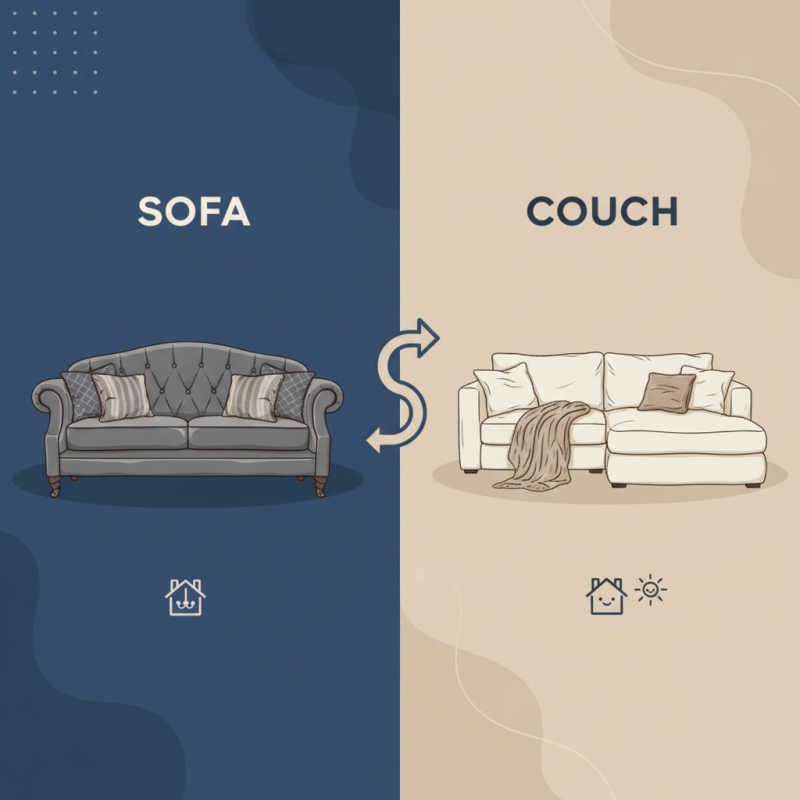
Understanding the Terminology: Sofa vs Couch in Modern Usage
The terms "sofa" and "couch" often get used interchangeably, but there is nuance in their meanings. Traditionally, a sofa refers to a more formal piece of furniture, often upholstered and featuring arms and a back. It's designed for multiple people. Sofas are commonly associated with living rooms and organized sitting arrangements.
On the other hand, the term "couch" tends to evoke a more casual setting. It’s usually seen as a place for relaxation and lounging. Couches might prioritize comfort over style, often featuring loose cushions. People might find themselves sprawled out on a couch while watching television or cuddling up with a book. The lines blur, and personal preference plays a huge role.
When furnishing a space, consider the vibe you want to create. Do you need a formal setting or a laid-back atmosphere? Keep in mind that language and trends evolve. Your friends might call it a couch, while others prefer sofa. It's essential to embrace these differences and recognize that comfort is subjective. Ultimately, the real difference hinges on context and personal choice.
Historical Context of Sofas and Couches in Furniture Design
The historical context of sofas and couches reveals the evolving nature of furniture design. In the 17th century, sofas were primarily used by the elite. Crafted from intricate woods and adorned with luxurious fabrics, they were symbols of status. Couches, on the other hand, emerged later, often seen in more casual settings. They were designed with comfort in mind, appealing to the growing middle class during the Industrial Revolution.
As time progressed, the distinction between sofas and couches blurred. The materials used in both also transformed. Leather and synthetic fabrics became prevalent, catering to diverse tastes. Today, modern designs reflect both functionality and style. However, many still struggle to define their preferences—some may value comfort over aesthetics, while others might prioritize design. This ongoing debate captures a broader reflection on individual identity and lifestyle choices in home decor. It's clear that the evolution of sofas and couches is not just about furniture; it's a reflection of societal changes and personal expression.
Key Differences in Structure and Functionality Between Sofas and Couches
When comparing sofas and couches, it’s essential to understand their structural differences.
Sofas typically have a more formal design. They often feature a more complex framework, usually designed for multiple people to sit.
Sofas usually have armrests and sometimes a backrest that extends the full length. This structure makes them ideal for larger living rooms and entertaining guests.
Couches, on the other hand, tend to have a more relaxed vibe. They are often smaller and designed for comfort.
You can find them with fewer structural elements.
A couch might lack armrests or have softer edges, making it inviting for lounging. This functional difference means that couches can fit into cozy spaces easily without overwhelming the room.
It’s worthwhile to reflect on personal needs when choosing between the two.
Consider the setting, intended use, and comfort level.
Sofas may exhibit a sophisticated appeal, yet they can also be seen as less cozy.
Couches create a homier atmosphere, yet they might lack the durability expected from formal seating.
Balancing style and functionality is key in making the right choice for your space.
Market Trends: Consumer Preferences for Sofas vs Couches in 2026
In 2026, consumer preferences for sofas and couches reveal fascinating trends. Many homeowners seek comfort and style in their living spaces. Sofas are often chosen for their sophisticated appeal. They add elegance to any room. On the other hand, couches offer casual comfort. They are often seen as more inviting.
Research indicates that younger consumers prefer couches for their versatility. They often fit modern lifestyles better. Sofas tend to attract older generations. They value tradition and durability in their furniture choices. This shift in preference highlights a need to understand comfort and design better. Each style serves different purposes in the home.
Interestingly, many consumers are experimenting with hybrid designs. These pieces blend the structure of sofas with the cozy vibe of couches. However, buyers sometimes feel overwhelmed by choices. The market is flooded with options that can confuse. Understanding personal needs is crucial before making a decision. Balancing style, comfort, and functionality remains essential in this evolving design landscape.
Expert Insights: Choosing the Right Option for Your Living Space
When choosing between a sofa and a couch, it’s vital to consider your living space and lifestyle. Sofas often serve as statement pieces. They come in various styles and fabrics. A well-chosen sofa can enhance a room’s aesthetic significantly. Consider the layout. A sectional sofa might fit better in larger spaces, creating a cozy gathering area. In smaller rooms, a simple couch can provide comfort without overwhelming the aesthetic.
Think about how you use the space. If you entertain frequently, a durable sofa may be the ideal choice. Sofas usually offer more support and can accommodate more guests. However, couches tend to be more relaxed and inviting. They often work well for family rooms or casual settings. Reflect on who uses the space. Families with kids might prefer a sturdy couch in fun colors.
Finally, don’t overlook the emotional aspect. Your choice should feel right. Trust your instincts. Evaluate what makes you feel at home. Creating the perfect space isn't always clear-cut. It requires thoughtful consideration and reflection on your personal style and needs.
2026 Best Guide to Sofa vs Couch
| Feature |
Sofa |
Couch |
| Definition |
A piece of furniture for seating typically with a back and arms |
A casual seating option that may or may not have arms |
| Style |
Often more formal, designed for living rooms |
More casual, commonly found in family rooms or dens |
| Size |
Typically larger, can seat three or more people |
Usually smaller, suitable for cozy spaces |
| Comfort |
Designed for longer seating with cushions |
Focus on relaxation, often softer |
| Typical Use |
Used for hosting guests and in formal entertaining |
Used for casual gatherings and everyday use |
| Material Options |
More variety, includes leather, upholstery, etc. |
Often made of soft fabrics, may include less formal materials |
Conclusion
The article titled "2026 Best Guide to Sofa vs Couch: What is the Real Difference" provides a comprehensive exploration of the distinctions between sofas and couches in contemporary and historical contexts. It begins by clarifying the terminology used today, highlighting how language evolves with consumer preferences. The historical overview emphasizes the evolution of these furniture pieces and their varying functions across different eras.
Importantly, the article examines key structural differences, noting how sofas are typically more formal and designed for enduring comfort, while couches often present a casual seating option. As market trends shape consumer choices in 2026, the piece also offers expert insights on selecting the right piece for one’s living space, ultimately answering the crucial question: What is the difference between a sofa and a couch? This guide serves as a valuable resource for anyone looking to make informed decisions in their furniture purchases.
 Kado Home
