 Kado Home
A velvet sofa can make a room feel warm and polished, but its soft surface comes with practical trade-offs. What are the pros and cons of velvet sofas? The answer depends on the fabric’s construction, your household, and how much upkeep you can manage. Velvet can look rich under lamplight and feel inviting on a cool evening. It can also show pressure marks, lint, and spills more readily than some flat-weave fabrics.
The market context is broad, not velvet-specific: Grand View Research estimated the global home furnishings market at $696.1 billion in 2023. That figure covers many products and does not prove rising demand for velvet sofas. For upholstery, the Association for Contract Textiles’ performance guidance offers a more useful comparison point: check abrasion resistance and intended use rather than judging durability by appearance alone. A high rub count is helpful, but it cannot promise that a particular sofa will resist every stain or pet claw.
Interior designer Nate Berkus has said, “Your home should tell the story of who you are, and be a collection of what you love.” That is a design principle, not a fabric test. Still, it helps explain velvet’s appeal: its color and texture can become the room’s focal point. The less glamorous detail matters, too. A pale velvet seat near a snack-loving family may demand frequent care. And even careful buyers can misjudge how a fabric looks in different light. The guide ahead weighs seven popular options by comfort, cleaning needs, durability, and cost, so you can choose with fewer surprises.
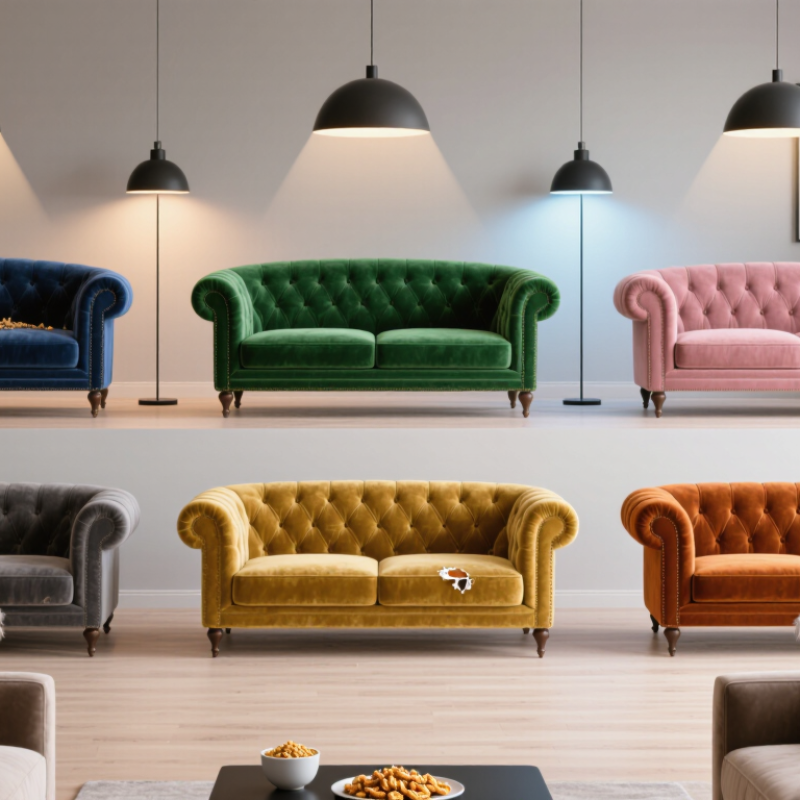
Velvet is defined by its raised pile, not by a single fiber. During weaving or knitting, extra yarns form loops that are cut to create a soft, light-catching surface. The pile may be made from polyester, cotton, viscose, or blends; the backing supports it and helps the fabric hold its shape. Run your hand across a cushion, and the shifting shade comes from the pile leaning in different directions. That change is normal.
Textile Exchange’s Materials Market Report 2024 estimates global fiber production reached 124 million tonnes in 2023, with polyester accounting for 57 percent. This is an industry-wide figure, not a measure of velvet sofa fabrics. Still, it helps explain why polyester is common in upholstery: it can offer color consistency and practical wear resistance. Fiber alone does not determine quality. Pile density, backing, stitching, and finish all matter, and a sample may feel different after months of use.
Tips: Check the fabric label and ask for abrasion-test results, such as double-rub figures, but compare them only against the maker’s stated test method. Brush the pile gently in one direction and blot spills rather than rubbing. Velvet can show pressure marks. That is part of its character, though it can be frustrating in a busy room. A small fabric sample is useful, but it cannot perfectly predict long-term wear.
| Velvet Upholstery Type | What Defines It | Potential Pros | Potential Cons | Often Best Suited For |
|---|---|---|---|---|
| Cotton velvet | A cut-pile fabric made with cotton yarns; the short, upright pile gives velvet its soft hand and changing light-and-dark appearance. | Soft, breathable, and rich in appearance; its natural-fiber feel appeals to people who prefer cotton textiles. | Can absorb spills, show pressure marks, and crush or wear with heavy use. Cleaning needs depend on the fabric finish and care label. | Formal or lower-traffic living rooms where softness and a classic look are priorities. |
| Polyester velvet | Velvet woven from polyester fibers, sometimes with a dense pile designed for upholstery. | Generally resists wrinkles and can be easier to maintain than delicate natural-fiber velvet. Often available in a wide range of colors. | Quality and durability vary by pile density, backing, and construction. It may attract lint or develop pressure shading. | Everyday seating when the specific fabric has suitable upholstery specifications and care instructions. |
| Performance polyester velvet | Polyester velvet made or finished for enhanced cleanability or resistance to common household wear; features vary by fabric. | Can offer practical spill-cleaning or stain-resistance benefits while keeping a soft, plush surface. | “Performance” does not mean stain-proof or damage-proof. Cleaning methods differ, and some finishes may change the fabric’s feel. | Busy households, provided the product’s care guidance and test results match the household’s needs. |
| Viscose velvet | A silky-looking velvet made with regenerated cellulose fibers, often chosen for its sheen and fluid drape. | Has a lustrous appearance and a smooth, soft feel that can create a dressy, elegant look. | May be sensitive to moisture, abrasion, or pressure marks; water can cause visible changes. Often needs careful, label-approved cleaning. | Decorative seating or carefully maintained rooms where appearance is more important than low-maintenance use. |
| Mohair velvet | A pile fabric made with mohair, the fiber from Angora goats; upholstery versions are valued for resilient pile. | Can recover well from compression and offers a distinctive soft sheen. Upholstery-grade versions are often chosen for durability. | Typically a premium-priced option, and its texture or appearance may not suit every style. Check the fabric’s specific cleaning requirements. | Long-term, high-quality seating where resilience and a luxurious finish are priorities. |
| Silk velvet | A velvet woven with silk fibers, prized for its fine luster and delicate, refined surface. | Has an especially elegant sheen and a soft, lightweight feel. | Usually delicate and vulnerable to sunlight, abrasion, and spills. Not all silk velvet is suitable for regular-use upholstery. | Low-use, formal spaces or accent seating, after confirming that the fabric is intended for upholstery. |
| Blended-fiber velvet | Combines fibers such as polyester, cotton, viscose, or nylon; the blend and pile construction determine its feel and performance. | Can balance softness, sheen, resilience, and cost. A blend may address some limitations of a single-fiber fabric. | Performance cannot be judged from the word “blend” alone. Fiber ratios, backing, pile density, and finishes all matter. | Shoppers seeking a balance of appearance, comfort, and upkeep, after reviewing the fabric specifications. |
How velvet upholstery works: Velvet is defined by its dense pile, typically formed by weaving extra yarns and cutting them to create a soft surface. The pile’s direction can make the fabric look lighter or darker from different angles, and brushing or pressure may temporarily alter its appearance. For any sofa, follow its care label and check upholstery-specific durability and cleaning information before buying.
Velvet has a raised pile made from loops that are cut during weaving or knitting. Its fibers may include polyester, cotton, viscose, or blends.
The pile leans in different directions, reflecting light differently. A cushion may look pale in daylight and richer by evening. That is normal.
No. Fiber is only one factor; pile density, backing, stitching, and finish also affect wear. Ask for abrasion-test results and check the stated test method.
Brush the pile gently in one direction and blot spills instead of rubbing. Pressure marks may remain. A sample helps, but it cannot predict every mark or years of wear.
A compact loveseat can save floor space in a narrow room or reading corner. Two adults may find it snug. Measure the room first.
Test the sleeper mechanism and mattress support in person. For modular pieces, check how seams sit and whether matching sections may be available later.
It can, but some fabrics hold pet hair. Ask about care and test a swatch at home. I might underestimate this again.
Velvet can show compressed pile, and tufted folds may collect dust. Curved sofas can be awkward against walls, while high backs may overwhelm low ceilings. Not always practical.
Velvet sofas bring a distinctive combination of soft texture, rich color, and visual depth to a living space. Their upholstery is made from a dense pile of fibers that reflects light and feels smooth to the touch, though the fabric’s construction and quality can affect how it wears. When comparing options, consider seat comfort, frame and cushion support, fabric durability, color, and how the sofa will fit your room. The seven styles in this guide illustrate how velvet sofas can vary in shape, detailing, and overall feel, helping you find one that suits your needs and decor.
What are the pros and cons of velvet sofas? Their main advantages include a luxurious appearance, a cozy feel, and the ability to make colors look especially vivid. On the other hand, velvet can show pressure marks, attract lint or pet hair, and require careful cleaning to protect its pile. Regular gentle maintenance and prompt attention to spills can help keep a velvet sofa looking its best.
