Kado Home
When considering the purchase of a sofa, many buyers find themselves asking, "What is the average lifespan of a high-quality sofa?" This question is crucial for anyone looking to invest time and money into furniture that will last. High-quality sofas can be a centerpiece in your living room, but understanding their longevity is key to making an informed decision.
The lifespan of a quality sofa can range significantly. Factors such as materials, craftsmanship, and usage impact how long it will last. Sofas made with premium hardwood frames, high-density foams, and durable fabrics tend to endure longer. Generally, a well-maintained high-quality sofa can last around 10 to 15 years, sometimes even longer. However, regular wear and tear, along with lifestyle choices, can shorten this timeframe unexpectedly.
Buyers often overlook essential aspects like maintenance and proper usage. Routine cleaning and avoiding direct sunlight can extend a sofa's life. Nonetheless, each household is different, and personal habits play a significant role in longevity. Investing in a high-quality sofa is wise, but understanding what influences its lifespan requires careful consideration and reflection.
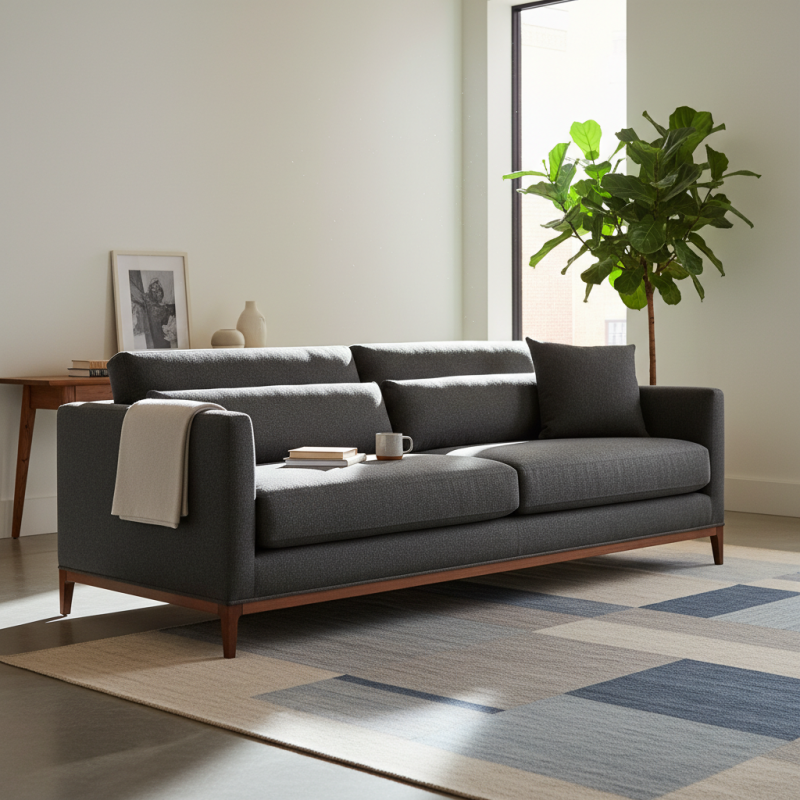
When considering the average lifespan of high-quality sofas, several factors come into play. A well-constructed sofa can last between 7 to 15 years, depending on materials, usage, and maintenance. According to the American Home Furnishings Alliance, quality upholstery can endure daily wear and tear, but not all sofas hold up equally. Heavy usage, particularly in households with pets or children, may reduce this lifespan significantly.
High-quality sofas often feature sturdy frames crafted from solid wood or metal. These materials provide durability, enhancing the sofa's ability to withstand daily use. Additionally, high-density foam or coil spring cushions add comfort and longevity. However, it's essential to recognize that even the best sofas can suffer from premature wear if not maintained properly. Regular cleaning and avoiding direct sunlight can help preserve their appearance and functionality.
Tips for buyers include checking warranty options before making a purchase. A robust warranty often indicates confidence in the product's lifespan. Invest in protective covers, especially if you have pets or young kids. Finally, periodically rotate cushions and pillows. This simple step can prevent uneven wear and extend the life of your investment. Remember, a great sofa is not just about aesthetics; it’s about the long-term value it brings to your home.
The lifespan of a high-quality sofa is influenced by various factors. Material quality stands out prominently. Sofas made with durable fabrics and solid frames can last longer. According to a report by the American Home Furnishings Alliance, high-quality sofas typically last between 7 to 15 years. In contrast, lower-quality options may only endure a few years.
Usage frequency is another critical consideration. Sofas in homes with active families or frequent gatherings will wear down faster. Regular maintenance can alleviate some of this wear. A professional fabric cleaning every year can significantly extend the life of your sofa. Additionally, rotating cushions can prevent uneven wear.
Environmental factors play a role too. Exposure to sunlight can fade colors and weaken materials. A climate-controlled room can help prevent moisture damage. To protect your investment, placement away from direct sunlight is wise. Understanding these factors can help you choose wisely, ensuring your sofa serves you well throughout the years.
This chart illustrates the average lifespan of high-quality sofas based on various factors such as materials used, maintenance frequency, and usage environment. Buyers should consider these factors when investing in a sofa to ensure longevity.
When considering the average lifespan of a high-quality sofa, materials and construction techniques play a crucial role. According to industry reports, the durability of a sofa often hinges on the type of wood used for the frame. Solid hardwood frames can last a decade or more, while softer woods might weaken over time. Many experts recommend frames made from kiln-dried hardwood for their superior strength and stability.
Upholstery materials are equally important. Fabrics rated for heavy use, such as high-denier polyester or leather, can significantly impact longevity. A study by the Furniture Today research group indicates that sofas upholstered in such materials can resist wear and tear better than those made from lower-quality fabrics. However, it’s vital to consider how the fabric is treated. Some synthetic fibers might not be as durable despite their initial appearance.
Finally, pay attention to construction techniques. Look for sofas with high-density foam cushions and pocket coil springs. These features enhance comfort while fostering longevity. Research suggests that high-quality spring systems can help maintain shape over years. Nonetheless, many buyers overlook this aspect, leading to prematurely sagging cushions. Awareness of these details can make all the difference in your investment.
Proper maintenance is crucial for extending the longevity of a high-quality sofa. Regular cleaning can prevent dirt accumulation. Use a vacuum with a brush attachment to remove dust and debris from the surface. Make sure to clean under cushions and in crevices. Additionally, rotate pillows and cushions periodically. This helps ensure even wear and keeps them looking fresh.
Avoid direct sunlight. Sunlight can fade upholstery over time. Position your sofa away from large windows. If that's not possible, consider using window treatments. They can shield your sofa from harsh rays. It’s also vital to address spills immediately. Blot stains gently with a thick cloth. Never rub the fabric. This can worsen the stain and damage fibers.
Another key aspect is conditioning leather sofas. Use a leather conditioner every six months. This maintains suppleness and prevents cracks. For fabric sofas, check cleaning codes before treating any stains. Sometimes professional cleaning is necessary. Ignoring this can lead to irreversible damage. Ensuring your sofa receives attention will greatly enhance its lifespan.
When buying a sofa, consider its construction and materials. A well-built frame, often made of hardwood, ensures durability. Sofas with a plywood or particleboard frame may wear out quicker. Cushion quality is also essential. Look for high-density foam or natural fibers for better support and longevity.
Tips for Buyers: Always check the joinery. Look for strong dowels or mortise and tenon joints. These features show attention to detail in craftsmanship. Testing the sofa in person is crucial too. Sit, recline, and feel the overall comfort.
Another key consideration is upholstery. Choose fabrics that are stain-resistant and easy to clean, especially if you have pets or children. Natural fibers like cotton offer comfort, but synthetic blends may provide greater durability. Reflect on your lifestyle. Sofas should not just look good; they must also endure everyday use.
| Sofa Type | Average Lifespan (Years) | Material | Maintenance Tips |
|---|---|---|---|
| Leather Sofa | 15 - 20 | Top Grain Leather | Regular conditioning and cleaning. |
| Fabric Sofa | 7 - 15 | Polyester Blend | Vacuum regularly and spot clean stains immediately. |
| Sectional Sofa | 10 - 15 | Microfiber | Use fabric protectors and avoid direct sunlight. |
| Recliner Sofa | 10 - 15 | Leather or Fabric | Check mechanisms regularly and lubricate as needed. |
| Sleeper Sofa | 8 - 12 | Various Fabrics | Ensure mattress is rotated and cleaned periodically. |
: A high-quality sofa can last between 7 to 15 years depending on usage and care.
Solid wood or metal frames enhance durability. High-density foam and coil spring cushions add comfort and longevity.
Regular cleaning and avoiding direct sunlight can help maintain its appearance and functionality.
A robust warranty often indicates a manufacturer's confidence in the product's durability.
Look for strong dowels or mortise and tenon joints to ensure quality craftsmanship.
Heavy usage, especially with pets or children, may significantly reduce the sofa's lifespan.
Yes, stain-resistant and easy-to-clean fabrics are essential for homes with children or pets.
Yes, sitting and reclining on the sofa can ensure it meets your comfort needs.
Even high-quality sofas can experience premature wear if not properly maintained.
No, consider durability and comfort for long-term value in your investment.
When considering the question, "What is the average lifespan of a high-quality sofa," it is essential to understand that this duration typically ranges from 7 to 15 years, depending on various factors. The lifespan of a sofa is influenced by materials used, construction techniques, and overall design. High-quality sofas often incorporate durable fabrics and sturdy frames, contributing to their longevity.
To maximize the lifespan of a sofa, maintenance plays a crucial role. Regular cleaning, avoiding direct sunlight, and periodic fluffing of cushions can help preserve its appearance and functionality. Buyers should also consider the design and construction features that enhance durability, such as reinforced joints and high-density foam. By investing in a well-made sofa and taking thoughtful care of it, consumers can ensure their furniture remains a lasting addition to their home.
