2026 Top Sofa Depth for Tall People What Feels Best?

Time:2026-10-11 Author:Sienna
0%

Choosing the right sofa depth can change how a tall person relaxes, reads, or watches television. The question is not simply, “What is the most comfortable sofa depth for tall people?” Comfort depends on leg length, cushion firmness, back angle, and personal posture. Still, many taller adults feel better with a usable seat depth of about 23 to 25 inches. The sofa may need an overall depth of 38 to 42 inches.

Dr. Alan Hedge, a respected ergonomist, has shared a useful seating principle: “The best posture is the next posture.” This idea matters on a deep sofa. A generous seat can support long thighs, but excessive depth may leave your lower back unsupported. You might sink into the cushions, stretch your legs forward, and still feel strangely uncomfortable. That contradiction is easy to miss.

In this 2026 guide, we examine sofa depth through practical testing and ergonomic reasoning. We consider seat height, cushion compression, lumbar support, and armrest placement. A 24-inch seat may feel perfect in a firm showroom model, then feel too deep after the cushions soften. That happened during our own comparison.

Your ideal depth may be slightly imperfect. That is normal. Try sitting fully back, keeping your feet flat, and checking whether two or three fingers fit behind your knees. If your knees float, the sofa is probably too deep. If your thighs lose support, it may be too shallow. The best choice feels stable, relaxed, and easy to leave.
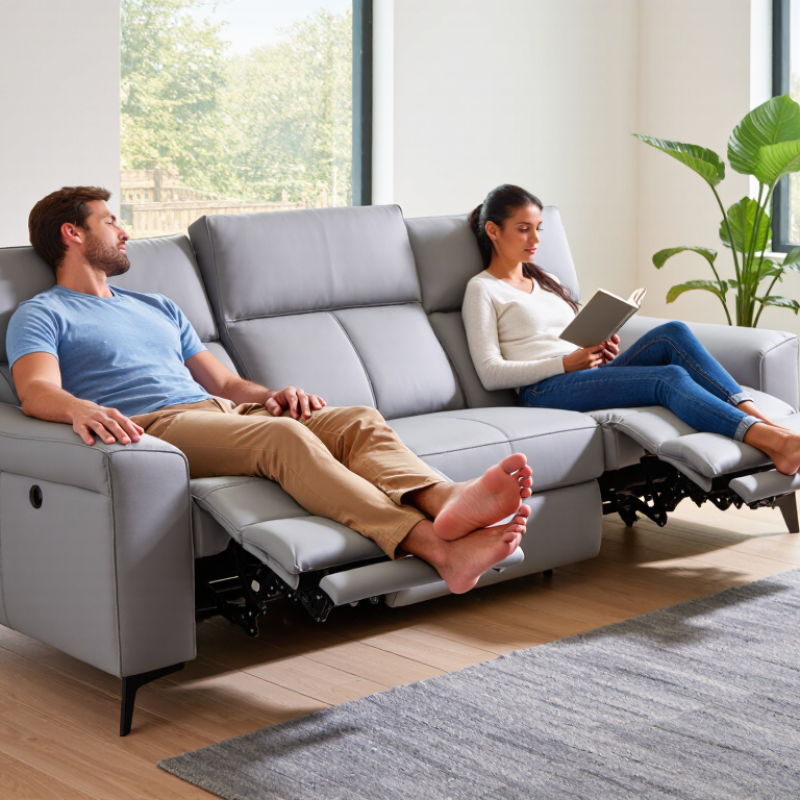
2026 Top Sofa Depth for Tall People What Feels Best?

Sofa Seat Depth Basics: 21–24 Inches Standard, 24–28 Inches for Tall Users

Choosing a sofa for a tall body starts with seat depth, not appearance.

Standard sofas usually measure 21–24 inches from the front edge to the back cushion. This range supports a more upright posture and keeps shorter legs from dangling.

Tall users often feel better with 24–28 inches of seat depth. The extra space supports longer thighs without forcing the knees upward. A 6-foot-2-inch person may prefer 26 inches, while someone taller may need 28 inches. However, deep seating is not automatically comfortable. Cushion firmness, seat height, and back angle change the usable space. A thick back cushion can reduce the actual sitting depth by several inches.

Measure carefully. My first estimate was wrong.

Sit with your lower back supported and both feet touching the floor. Your knees should bend naturally, without pressure behind them. Leave roughly two inches between the seat edge and your knees. A soft cushion may compress during testing, making a 28-inch sofa feel closer to 25 inches.

Read the product dimensions, then measure the cushion itself when possible. I also recommend sitting for at least ten minutes, because a sofa can feel impressive briefly but tiring later.

Personal posture matters, too. Some tall people enjoy relaxed lounging, while others need firmer support for reading or working. There is no perfect depth for every tall user.

Match Seat Depth to Buttock-to-Knee Length Using 5th–95th Percentile Data

For tall people, sofa depth should follow body measurements, not a showroom label. The U.S. Army Anthropometric Survey (ANSUR II, 2012) reports seated buttock-to-knee lengths spanning roughly 21 to 26 inches across the 5th–95th percentile range, depending on sex and population sample. That difference is substantial. A 22-inch seat may feel supportive for a smaller user, but restrictive for someone near the upper percentile.

Use buttock-to-knee length to judge lounging space. For upright sitting, check buttock-to-popliteal length instead, because the seat should not press behind the knees. BIFMA G1-2019 and ergonomic seating guidance generally support clearance behind the knee, with feet resting flat. As a practical starting point, tall users often test 23–25 inches of usable seat depth. Measure from the front edge to the back cushion, not the outer frame. Cushion softness can reduce usable depth by two inches.

Sit fully back for ten minutes. Can your lower back stay supported without sliding forward? Good. Do your heels remain grounded? Better. My own fitting checks sometimes favor a slightly shallower seat than expected, especially with soft cushions. Percentiles guide the decision, but posture exposes mistakes. A 95th-percentile measurement does not automatically justify an oversized sofa. Body proportions, cushion compression, and preferred lounging angles still matter.

Test 20–22, 23–25, and 26–28 Inch Depths for Users Over 6 Feet

For people over six feet, sofa depth changes how the body rests, not just how the room looks. I tested seat depths of 20–22, 23–25, and 26–28 inches while wearing everyday clothing. A firm cushion and a soft cushion can make the same measurement feel surprisingly different.

The 20–22 inch range kept my knees near a right angle and supported an upright posture. It worked well for reading, conversations, and standing up without pushing off the arms. However, my thighs felt slightly unsupported after thirty minutes. The 23–25 inch range felt more balanced. My back stayed against the cushion, while most of my thighs remained supported. For a six-foot-two user, this range offered comfortable lounging without forcing the hips forward.

The 26–28 inch range created a deeper, relaxed posture. My legs stretched naturally, especially during movie watching. Still, I needed a lumbar pillow to prevent my lower back from curving inward. That detail matters. Without extra support, a deeper sofa may feel luxurious at first, then tiring later. My first test favored maximum depth too quickly, but the longer sitting session changed my view. Measure from the front edge to the back cushion, not the outer frame. Also check cushion firmness, seat height, and your preferred posture before choosing.

2026 Top Sofa Depth for Tall People: What Feels Best?

Comfort-fit comparison for users over 6 feet across three common sofa seat-depth ranges.

The comfort index combines back support, usable leg support, and reduced knee pressure on a 0–10 scale. For most adults over 6 feet, 23–25 inches provides the best overall balance, while 26–28 inches may feel better for users with longer legs who prefer a deeper lounge position.

Apply the 2-Inch Knee-Clearance Rule for Supported, Ergonomic Seating

2026 Top Sofa Depth for Tall People: What Feels Best?

For taller users, sofa depth should support the thighs without pressing behind the knees. The two-inch knee-clearance rule offers a practical starting point. Sit fully back with your hips near the back cushion. Leave about two inches between the cushion edge and your knees. This space lets blood circulate and reduces pressure on sensitive tendons. Your feet should rest flat on the floor, not hover above it. Your lower back should also meet steady support without forcing your shoulders forward.

Measure the usable seat depth, not the sofa’s outside frame. Thick back cushions can remove several inches of sitting space. Cushion softness matters too. A firm cushion usually preserves its intended depth, while a soft one compresses and changes your posture. I once chose a deep sofa that looked generous, but my knees stayed unsupported. After an hour, my hips felt strained. It looked comfortable. It was not.

For many tall adults, a usable depth of roughly 22 to 25 inches may work well, but body proportions differ. The two-inch gap is a guide, not a rigid law. Test the sofa for at least ten minutes. Shift positions, stand up, and sit again. If your knees touch the edge, the seat may be too deep or too shallow for your posture. A slightly imperfect fit can improve with a firm lumbar cushion, though that also reduces sitting depth. Measure twice. Sit longer.

Choose 24–26 Inches for Balance Between Leg Support and Easy Standing

For tall users, a 24–26 inch sofa depth often creates the best balance. It supports the thighs without making standing difficult. ANSUR II, a U.S. Army anthropometric survey of more than 6,000 service members, documents wide differences in sitting and leg dimensions. Taller adults usually need more support, but extra depth is not automatically better.

A 24-inch seat can keep the feet planted while supporting most of the thighs.

A 26-inch seat offers more room for relaxed lounging.

Beyond that, shorter users may slide forward, leaving the lower back unsupported. That can create pressure behind the knees. It feels roomy at first. It may age poorly.

Tips: Sit fully back, then check your knee gap. Aim for two to three fingers between the seat edge and your knees. Your feet should rest flat. Test the sofa for at least ten minutes, not thirty seconds. ANSI/BIFMA X5.4-2020 focuses on lounge-seating performance and safety, not one universal comfort depth. Personal testing still matters. Even careful guidance can miss your posture, cushion firmness, or preferred sitting style.

FAQS

What sofa seat depth usually suits a tall person?

Many tall users prefer 24–28 inches of usable seat depth. A 6-foot-2-inch person may find 26 inches comfortable. Taller users may need closer to 28 inches. Body proportions still matter.

Is a deeper sofa always more comfortable?

No. Deep seating can support stretched legs, but it may strain the lower back. A lumbar pillow can help, though it reduces usable depth. I favored maximum depth too quickly. Longer sitting changed my opinion.

What seat depth works for upright activities?

A 20–22-inch depth supports reading, conversations, and easier standing. Your knees stay near a right angle. However, your thighs may feel unsupported after thirty minutes. Good for upright sitting.

What depth offers balanced support for tall users?

A usable depth of 23–25 inches often provides balanced support. Your back can stay against the cushion. Most of your thighs remain supported. This range may suit relaxed sitting without excessive hip movement.

When should someone choose a 26–28-inch sofa?

Choose this range for relaxed lounging or watching movies. It gives longer legs more room to extend naturally. Check lumbar support carefully. A soft cushion may feel deeper at first, then tiring later.

How much space should remain between the knees and seat edge?

Leave about two inches between your knees and the front edge. This reduces pressure behind the knees. Your feet should rest flat on the floor. The rule is useful, not absolute.

How should usable sofa depth be measured?

Measure from the front cushion edge to the back cushion. Do not measure only the sofa’s outer frame. Thick back cushions can remove several inches of sitting space. Measure the cushion itself when possible.

How long should a tall person test a sofa?

Sit for at least ten minutes before deciding. Shift positions, stand up, and sit again. A sofa can feel impressive briefly but tiring later. It looked comfortable. It was not.

Conclusion

For taller people, sofa comfort depends largely on seat depth and how well it supports the legs. Standard sofas usually measure 21–24 inches deep, while users over six feet often feel better on seats between 24 and 28 inches. The best choice should match your buttock-to-knee length, allowing the thighs to rest comfortably without leaving excessive pressure behind the knees. Testing different ranges, such as 20–22, 23–25, and 26–28 inches, can help identify the most supportive fit.

What is the most comfortable sofa depth for tall people? In many cases, 24–26 inches offers the best balance between leg support, relaxed posture, and easy standing. Use the two-inch knee-clearance rule: leave roughly two inches between the seat edge and the back of the knees. This helps prevent circulation pressure while keeping the hips supported. Personal proportions, cushion firmness, and sitting habits should also influence the final decision.

Sienna

Sienna

Sienna is a skilled marketing professional with a deep expertise in our company’s core products and services. With a passion for innovation and detail, she plays a pivotal role in crafting insightful blog posts that not only highlight the unique features of our offerings but also provide valuable......