2026 Top Sofa Materials for Hot Climates Which Is Best?

Time:2026-09-06 Author:Charlotte
0%

Hot climates can turn a comfortable sofa into a sticky, faded, and unpleasant seat. Strong sunlight, high humidity, and limited airflow affect every upholstery choice. In 2026, homeowners are looking beyond appearance. They want materials that feel cool, resist moisture, and remain attractive after years of daily use. The key question is simple: Which sofa material is best for hot climates?

Natural fabrics, performance textiles, leather, and synthetic blends each offer different advantages. Breathable linen can feel fresh against warm skin, while cotton provides a soft, familiar texture. However, both may wrinkle, absorb spills, or fade near bright windows. Performance polyester and solution-dyed acrylic often handle sunlight better. Some outdoor-grade fabrics also resist mildew and dry quickly after cleaning. Genuine leather can age beautifully, but it may feel hot without ventilation and needs thoughtful conditioning.

Real homes reveal details product descriptions often miss. A dark sofa near a west-facing window can become surprisingly warm by late afternoon. A tightly woven fabric may feel cooler than thick, plush upholstery. Air conditioning, room humidity, pets, and cleaning habits also change the best choice. No material is perfect. That matters.

This guide compares comfort, breathability, durability, maintenance, color stability, and overall value. It draws on upholstery principles, manufacturer care guidance, and practical home-use observations. Results can vary by weave, finish, padding, and installation. Test fabric samples in your own room before buying. Touch them at midday. Check them again after cleaning. The smartest choice is not always the most expensive one.
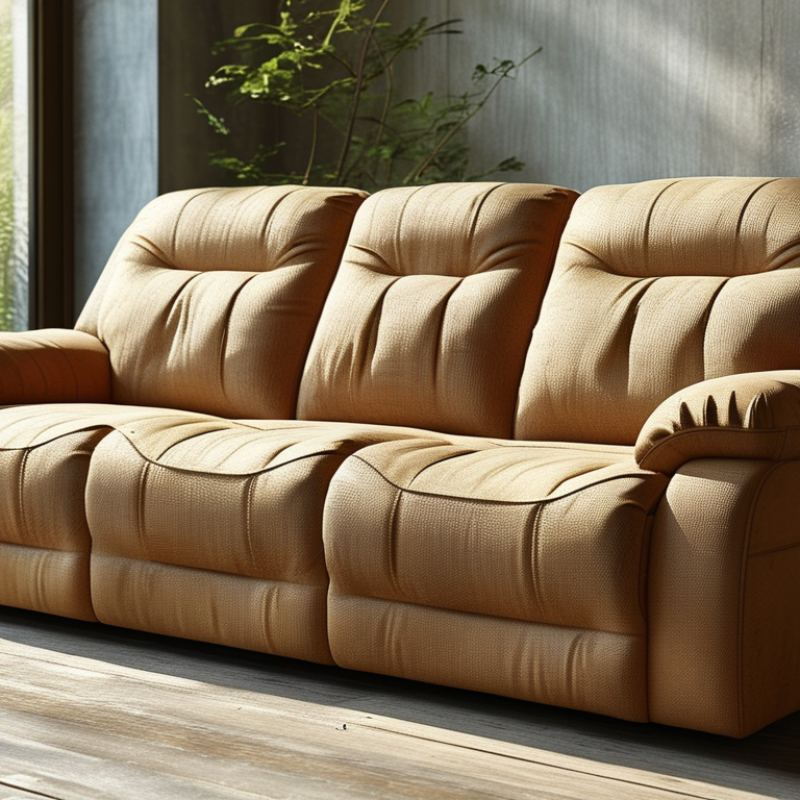
2026 Top Sofa Materials for Hot Climates Which Is Best?

What Makes a Sofa Material Suitable for Hot Climates?

A sofa for a hot climate should release heat, manage moisture, and remain comfortable against bare skin. Breathable fabrics, such as linen or tightly woven cotton blends, allow more airflow than dense synthetic upholstery. Their textured surfaces can also reduce the sticky feeling caused by humidity. However, natural fibers may wrinkle, fade, or absorb spills more easily.

Construction matters as much as the cover. Look for open weaves, ventilated cushion layers, and foam that does not hold excessive heat. Removable covers are useful because sweat, dust, and sunscreen can build up quickly. Light colors usually feel visually cooler, though they demand more frequent cleaning. A sofa placed beside a sunny window may still become uncomfortably hot, regardless of its fabric.

Leather can work in dry, ventilated rooms, but it may feel warm or clingy during humid afternoons. Some coated textiles resist moisture well, yet they may reduce breathability. The trade-off is easy to miss. A softer material is not always a cooler one. Before buying, sit on a sample for several minutes, preferably with bare arms. Check whether the surface feels damp, traps heat, or loses support. Local humidity, room ventilation, pets, and cleaning habits should guide the final choice. There is no perfect material. Even a breathable cover can disappoint when the cushion design is too dense.

How Natural and Synthetic Sofa Fabrics Handle Heat and Humidity

Natural and synthetic sofa fabrics behave very differently in hot, humid rooms. Linen and cotton usually feel cooler because their fibers allow airflow and absorb small amounts of moisture. Linen has a crisp, dry touch. Cotton feels softer but may hold dampness longer. In poorly ventilated spaces, either fabric can develop odors, stains, or mildew. That risk is easy to underestimate.

Synthetic fabrics often resist moisture better. Polyester blends, microfiber, and solution-dyed acrylic can dry quickly and maintain their color near bright windows. Their tighter construction also limits liquid absorption, which helps with daily spills. However, some synthetic upholstery can feel warm against bare skin. Dark colors may intensify that sensation under direct sunlight. Breathability depends on the weave, not simply the fiber name.

A practical test is valuable. Sit on the sofa for ten minutes during the hottest part of the day. Notice whether your back feels damp or the surface traps heat. Check the fabric after cleaning, too. Some materials dry unevenly and leave visible rings. Removable covers improve maintenance, but they do not solve poor room ventilation. A lightweight natural fabric may suit a breezy coastal home, while a breathable synthetic blend may perform better in a humid family room. No fabric stays perfect. The right choice depends on airflow, sunlight, cleaning habits, and how the sofa is actually used.

Comparing Breathability, Moisture Resistance, and Daily Comfort

In hot climates, sofa comfort depends on how fabric manages heat, sweat, and damp air. The U.S. Environmental Protection Agency recommends indoor relative humidity between 30% and 50%. In coastal homes, however, rooms can remain far wetter. A breathable cover helps skin feel cooler, but breathability alone does not prevent musty cushions.

Linen and cotton feel airy because their fibers absorb moisture. ASTM D1909 lists typical moisture regain near 12% for linen and about 7–8% for cotton. That softness is appealing. Yet absorbed moisture dries slowly inside thick foam. Polyester usually has moisture regain below 1%, according to the same textile standard. It dries faster and resists daily spills, but tightly woven polyester can feel warm against bare legs. A loose, breathable weave matters more than fiber labels alone.

Leather allows little air exchange, though its smooth surface wipes clean quickly. In humid rooms, it may feel sticky before fabric does. Performance upholstery with a quick-drying, tightly woven structure offers a practical compromise. Look for removable covers, ventilated cushion cores, and light colors that reduce heat gain. ASHRAE Standard 55 links thermal comfort with air temperature, humidity, air speed, and clothing, so a ceiling fan can change the experience significantly.

My mistake was choosing a soft fabric without checking cushion drying time. It felt excellent at first. Then the rainy season arrived. Test a sample on bare skin, press it with a damp cloth, and check how quickly the surface feels dry. Small details often matter more than marketing claims.

The Best Sofa Materials for Different Hot-Climate Living Spaces

In hot climates, sofa material should match the room’s airflow, sunlight, and daily use. A breathable linen or cotton-linen blend suits shaded living rooms with open windows. It feels cool against the skin and dries faster than heavy velvet. However, natural fabrics can wrinkle and absorb spills, especially during humid summers. That is not a deal-breaker.

Keep it airy. For covered patios, solution-dyed acrylic offers strong resistance to fading, moisture, and frequent cleaning. Its tight weave helps manage dust, while removable cushions make maintenance easier. Choose pale colors for intense sun, but inspect seams carefully. Dark fabric may become uncomfortable when exposed to direct heat. Outdoor sofas still need ventilation beneath the frame.

A family room with air conditioning can use treated cotton, performance polyester, or a tightly woven blend. These materials offer softness without trapping as much heat as thick foam and synthetic velvet. In dry, hot regions, full-grain leather can work well when kept away from windows. It may feel warm at midday, and low-quality finishes can crack over time. My practical preference is a breathable cover, medium-density cushions, and a raised base. No material solves every problem. Test a fabric sample on the actual sofa site for one week. That simple trial may reveal glare, sweat, or dust issues that showroom lighting hides.

2026 Top Sofa Materials for Hot Climates: Which Is Best? — The Best Sofa Materials for Different Hot-Climate Living Spaces
Material Breathability Moisture & Mildew Resistance UV Resistance Heat Comfort Durability Maintenance Best Living Space Key Consideration
Solution-Dyed Acrylic Excellent Excellent Excellent Very Good Excellent Low; removable covers are usually easy to clean Sunny patios, screened porches, poolside lounges, and coastal rooms Color is integrated into the fibers, helping reduce fading. Choose a breathable cushion construction for maximum comfort.
Olefin (Polypropylene) Very Good Excellent Very Good Very Good Excellent Low; resists many stains and dries quickly Humid family rooms, covered outdoor areas, and high-use vacation homes A practical choice for moisture-prone spaces. It can feel less luxurious than natural fibers and may soften under prolonged extreme heat.
Solution-Dyed Polyester Good Very Good Very Good Good Very Good Low; generally dries quickly and is easy to spot-clean Bright living rooms, apartments, covered balconies, and everyday family seating Performance depends on fiber treatment and weave. Solution-dyed versions generally retain color better than conventionally dyed polyester.
Linen Excellent Fair Good Excellent Good Medium; requires prompt cleaning and can wrinkle Air-conditioned interiors, breezy sunrooms, and relaxed coastal-style spaces Naturally cool and breathable, but it absorbs moisture, wrinkles easily, and is less suitable for damp or frequently exposed outdoor settings.
Cotton Canvas Excellent Fair Fair Excellent Good Medium to high; washable covers are recommended Dry, shaded indoor rooms and casual family spaces Comfortable and breathable, but untreated cotton can absorb spills, retain moisture, and fade in strong direct sunlight.
Cotton-Linen Blend Excellent Fair Fair to Good Excellent Good Medium; fabric protection and removable covers help Well-ventilated indoor lounges, bedrooms, and low-moisture sitting areas Balances softness and breathability, but still needs protection from prolonged humidity, spills, and direct sunlight.
Microfiber Polyester Good Very Good Fair to Good Good Very Good Low; tightly woven surface resists many everyday spills Air-conditioned family rooms, rental homes, and high-traffic indoor areas Soft and practical for indoor use, but darker colors and dense weaves can feel warmer than open-weave fabrics.
Breathable Mesh or Sling Fabric Excellent Excellent Very Good Excellent Very Good Low; allows airflow and dries rapidly Open-air patios, rooftop terraces, balconies, and pool areas Provides the strongest airflow in hot weather. It offers a firmer, less upholstered feel and may need a separate cushion for softness.
Top-Grain Leather Good Good Fair Fair Excellent Medium; wipe spills quickly and condition periodically Climate-controlled studies, formal living rooms, and low-humidity interiors Durable and long-lasting, but it can feel hot or sticky in direct sun and may dry or crack when exposed to excessive heat.
Indoor-Outdoor Textured Olefin Blend Very Good Excellent Very Good Very Good Excellent Low; shake off debris and clean according to the care label Covered verandas, outdoor kitchens, garden rooms, and humid entertainment spaces A strong all-round option for hot, humid conditions. Cushion interiors should also be quick-drying to prevent trapped moisture.
Overall guidance: For the hottest and most humid spaces, choose solution-dyed acrylic, olefin, or breathable mesh. For cool indoor comfort, linen or cotton-linen blends perform well when protected from moisture and intense sunlight. For maximum longevity, prioritize light-colored, tightly constructed fabrics with removable, washable covers and quick-drying cushions.

How to Choose, Maintain, and Protect Sofa Materials in Hot Weather

Hot climates demand breathable, durable sofa materials. The U.S. Environmental Protection Agency recommends indoor relative humidity between 30% and 50%. This range helps reduce mold risk and supports better comfort. Choose tightly woven polyester, solution-dyed acrylic, or performance linen for humid rooms. These fabrics usually dry faster than heavy cotton. They also resist everyday stains when properly finished. Natural leather feels smooth and cleans easily, but direct sunlight can dry and fade it. Vinyl may look practical, yet it can feel sticky and crack with repeated heat exposure.

Maintenance matters more than shoppers expect. Vacuum weekly, especially beneath removable cushions. Dust can hold moisture against the upholstery. Blot spills quickly with a clean, barely damp cloth. Avoid soaking the foam. Rotate cushions every two weeks to balance pressure and fading. ASTM G154 testing uses controlled ultraviolet exposure to evaluate material aging. Ask suppliers for UV-resistance and abrasion-test results, not vague claims. I would still test a fabric sample beside your brightest window. Real rooms are less predictable.

Tips: Keep sofas at least 30 centimeters from hot glass when possible. Use breathable cotton covers during peak sunlight. Open windows only when outdoor humidity is lower. Check room humidity with a simple meter. Let cushions air fully after cleaning. A pale fabric may stay cooler, but it can reveal stains faster. That trade-off is easy to overlook.

FAQS

: What sofa materials work best in hot climates?

: Breathable linen, cotton blends, and open-weave fabrics usually improve airflow. They feel cooler against bare skin. However, they may wrinkle or absorb spills.

Is leather suitable for a hot room?

Leather can work in dry, ventilated rooms away from direct sunlight. It may feel warm or clingy during humid afternoons. Test it before choosing.

Does sofa construction affect temperature?

Yes. Open weaves, ventilated cushion layers, and medium-density foam reduce trapped heat. A breathable cover cannot fix dense cushions.

Which sofa material suits a shaded living room?

Linen or a cotton-linen blend suits rooms with open windows and limited sunlight. These fabrics dry relatively quickly. They can still crease.

What materials suit covered outdoor areas?

Fade-resistant acrylic fabrics handle moisture, sunlight, and frequent cleaning well. Choose removable cushions and inspect the seams. Keep airflow beneath the frame.

Are light-colored sofas better for hot climates?

Light colors usually absorb less visible heat and look cooler. They show dust, sunscreen, and stains more clearly. Expect more cleaning.

What works in an air-conditioned family room?

Treated cotton, performance polyester, or tightly woven blends can provide softness without excessive heat. Avoid thick foam and dense synthetic velvet.

How should I test a sofa before buying?

Sit on the sample for several minutes with bare arms. Check for dampness, heat, stickiness, and weak support. A one-week site trial is better.

What maintenance features matter in humid weather?

Removable covers make sweat, dust, and sunscreen easier to manage. Choose fabrics suited to your cleaning habits. I sometimes underestimate this detail.

Is there one perfect sofa material for every hot climate?

No. Humidity, sunlight, ventilation, pets, and daily use change the best choice. Even a breathable sofa can disappoint.

Conclusion

Choosing the right sofa material for a hot climate means focusing on breathability, moisture resistance, durability, and everyday comfort. Natural fabrics such as linen and cotton often feel cool and allow air to circulate, while synthetic options can provide better resistance to humidity, stains, and frequent use. Leather may offer a smooth, easy-to-clean surface, but it can feel warm without proper ventilation. Which sofa material is best for hot climates depends on the room, local humidity, sunlight exposure, and how the sofa will be used.

For bright living rooms, breathable woven fabrics can improve comfort, while moisture-resistant materials may be more practical in humid homes or enclosed spaces. To protect any sofa, keep it away from direct sunlight, improve airflow, clean spills quickly, and use washable covers when appropriate. Regular vacuuming and gentle cleaning also help prevent odors, discoloration, and fabric deterioration, allowing the sofa to remain comfortable and attractive through hot weather.

Charlotte

Charlotte

Charlotte is a seasoned marketing professional with a deep understanding of the company's portfolio and a passion for elevating its presence in the market. With a keen eye for detail and a commitment to excellence, she ensures that our professional blog is regularly updated with insightful articles......