Hot climates often present unique challenges when it comes to choosing the right sofa material. Homeowners in these regions frequently ask, "Which sofa material is best for hot climates?" According to a study from the American Society of Interior Designers, the choice of materials can significantly impact comfort and longevity in warmer temperatures. Breathability and moisture-wicking abilities are crucial features to consider when selecting upholstery.
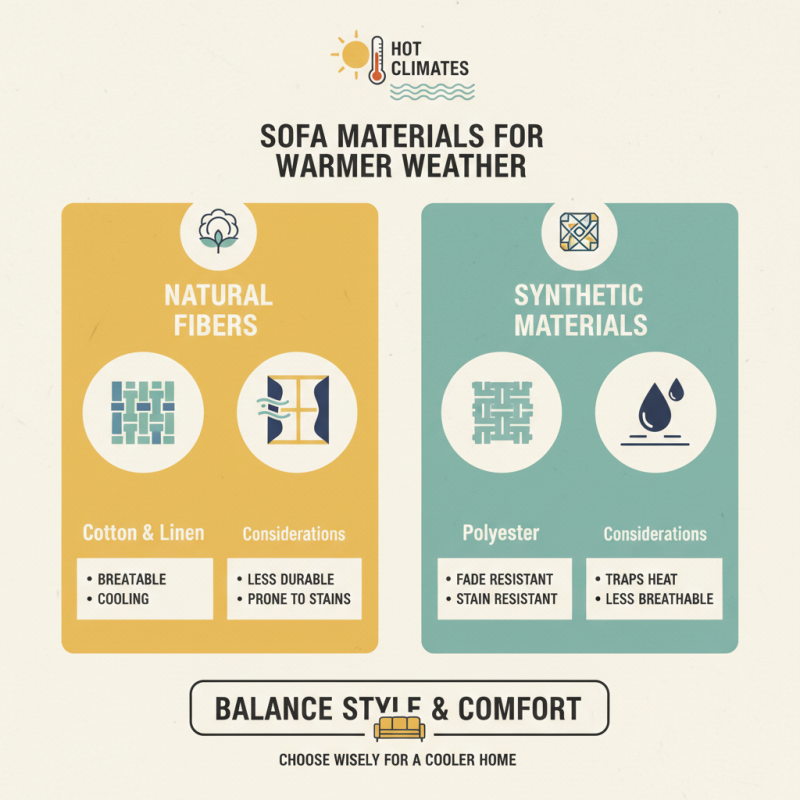
Natural fibers like cotton and linen are favored in hot climates due to their lightweight nature and breathability. Reports indicate that these materials can help in regulating temperature, keeping you cool during hot days. However, they may lack durability and are prone to staining. In contrast, synthetic materials such as polyester offer better resistance to fading and staining but may trap heat and humidity.
Personal preferences also play a significant role in this decision. Some individuals might prioritize aesthetics over functionality, leading to potential discomfort in high temperatures. It is essential to balance style and performance. Each material has its strengths and weaknesses, requiring careful consideration before making a purchase. Selecting the right sofa can indeed transform your living space into a more comfortable environment, even in the heat.
Understanding Heat-Resistant Sofa Materials for Hot Climates
When choosing a sofa for a hot climate, material matters greatly. Fabrics like cotton and linen are breathable. They allow air to circulate, making them comfortable in warm weather. Cotton is easy to clean, which is essential in high humidity. Linen has a natural luster, adding elegance to your space.
Consider microfiber or synthetic blends too. These materials often resist heat absorption. They don’t cling to the skin the way heavier fabrics might. However, not all synthetics are created equal. Some may feel sticky in extreme heat, so testing them is crucial.
Natural fibers tend to be more heat-resistant. However, they can also absorb moisture, which might lead to mildew. Choosing the right sofa might require some trial and error. Think about the climate specifics in your area. A well-chosen material can enhance comfort during the long, hot summers.
Comparing Natural vs. Synthetic Sofa Fabrics for Warm Weather
When choosing sofa materials for warm climates,
natural and synthetic fabrics each offer unique benefits.
Natural fabrics, like cotton and linen, are breathable.
They allow air circulation, making them feel cooler to the touch.
Cotton offers softness, while linen is durable and has a textured look.
However, natural fibers can absorb moisture and fade in intense sunlight.
On the other hand, synthetic fabrics like polyester and acrylic have advantages in hot weather.
These materials are often treated to resist stains and fading. They dry quickly,
making them practical for humid environments.
Yet, they might trap heat, leading to discomfort during extreme temperatures.
Some synthetic fabrics can also lack the aesthetic appeal of natural options.
Finding the right balance between comfort and durability is key.
It’s essential to consider your lifestyle.
Do you have children or pets? Will the sofa be exposed to sunlight?
Reflecting on these factors helps in making a more informed choice.
There isn't a one-size-fits-all solution.
Each material has pros and cons that must be weighed carefully.
Top Features to Look for in Sofas for High Temperatures
When selecting a sofa for hot climates, consider breathability as a key feature. Fabrics like cotton and linen excel in heat management. Both materials allow air to circulate, which helps keep you cool. According to a report by the Furniture Research Laboratory, cotton can absorb moisture, making it ideal for humid conditions.
Durability is also crucial. Sofas made from synthetic fibers, like polyester, resist fading and wear. They are also easier to clean, which is essential in warmer regions where spills can happen often. However, some synthetic blends may not breathe as well, leading to an uncomfortable experience. It's vital to strike a balance between durability and comfort.
Pay attention to the sofa's design. Low-profile designs with minimal cushions tend to remain cooler. Traditional, bulky sofas can trap heat, creating a stuffy seating area. The right color matters too. Light colors reflect sunlight, while dark hues absorb heat. A lighter sofa can contribute to a fresher, more inviting space, enhancing your overall comfort during hot days.
Best Sofa Materials for Hot Climates
| Material |
Breathability |
Comfort Level |
Durability |
Maintenance |
| Cotton |
High |
Soft |
Moderate |
Easy |
| Linen |
Very High |
Very Soft |
Low |
Moderate |
| Synthetic Fiber |
Moderate |
Comfortable |
High |
Easy |
| Microfiber |
Moderate |
Soft |
High |
Very Easy |
| Canvas |
High |
Firm |
Moderate |
Easy |
Care and Maintenance Tips for Sofas in Hot Climates
When selecting a sofa for hot climates, care and maintenance play a crucial role in ensuring longevity. Upholstery materials like cotton and linen are breathable. They can naturally wick away moisture, making them suitable for warm weather. According to a study by the American Furniture Manufacturers Association, breathable fabrics improve indoor air quality. In addition, ongoing maintenance promotes the lifespan of your sofa.
Regular cleaning is vital. Dust and moisture can accumulate in hotter climates, leading to mold and mildew. Vacuuming your sofa every couple of weeks helps remove allergens. For deeper cleaning, consider using a soft, damp cloth with mild soap. The goal is to avoid excess water, which can leave stains or damage the fabric.
Sunlight can fade colors over time. Use curtains or blinds to shield your sofa from direct sunlight. Consider rotating your cushions regularly. This ensures even wear, minimizing the risk of sagging. Regular maintenance can be labor-intensive, but it is essential to preserve your sofa’s appearance. A little diligence can lead to a more comfortable living space in the long run.
Best Color Choices for Sofas to Keep Cool in Summer Heat
Choosing the right color for your sofa in hot climates can significantly impact your comfort. Light colors, such as whites, beiges, and pastels, reflect sunlight. This helps keep the room cooler. Dark colors, on the other hand, absorb heat. They can make your space feel warmer, which isn’t ideal during the summer months.
Consider natural fabrics like cotton and linen in light shades. These materials breathe well and are essential for summer comfort. Avoid synthetic materials that can trap heat. You might also consider using slipcovers. They can be easily changed with the season. This allows for fresh, cool colors in summer and warmer tones in winter.
Patterns can also influence the perception of heat. For instance, simple patterns in light shades can help divert attention from heat absorption. Stripes or florals may provide a refreshing look without absorbing too much sunlight. It's important to reflect on how color affects your mood. Keeping a light, airy feel in your living area can promote relaxation during hot, sticky afternoons.
FAQS
: Cotton and linen are breathable options. They wick away moisture effectively.
Vacuum every couple of weeks. It helps remove allergens and prevents buildup.
Use curtains or blinds. They shield your sofa from direct sunlight.
Rotating cushions ensures even wear. It helps prevent sagging over time.
Light colors like whites and beiges reflect sunlight. They keep your room cooler.
Avoid synthetic fabrics as they can trap heat. Natural materials are better.
Simple light patterns can divert attention from heat absorption. They keep the space feeling fresh.
Yes, slipcovers can change easily with the seasons. They offer versatility for style.
Use a soft, damp cloth with mild soap. Avoid excess water to prevent damage.
Regular maintenance preserves appearance and comfort. It can be labor-intensive but is worth it.
Conclusion
When choosing the best sofa material for hot climates, it is crucial to understand which sofa material is best for hot climates. Natural fabrics like cotton and linen are excellent choices due to their breathability and ability to wick away moisture, making them comfortable in high temperatures. On the other hand, synthetic materials like polyester can offer durability and easy maintenance but may retain more heat.
Key features to look for include moisture-wicking properties, durability, and cool-touch textures. Additionally, selecting lighter colors can help reflect heat and keep your space feeling cooler. Proper care and maintenance are vital for prolonging the life of your sofa in warmer conditions, ensuring it remains both functional and stylish throughout the summer months.
 Kado Home
