 Kado Home
Kado Home
Kado Home
Choosing the perfect sofa involves more than just aesthetics. Comfort, functionality, and durability are key factors to consider. Sofa shoppers often wonder, "What is the average lifespan of a high-quality sofa?" Understanding this can guide your decision-making process.
High-quality sofas typically last between 7 to 15 years. This can depend on the materials used and how well you maintain and care for the sofa. Factors like daily usage, family size, and cleaning habits all play significant roles in determining longevity. A well-cared-for sofa may exceed the average lifespan, while one that is neglected could wear out sooner.
It is essential to recognize that not all sofas are created equal. Some brands offer superior construction and materials, enhancing durability. Investing in a reputable brand is wise. However, even the best options require attention and care. Regular cleaning and proper use will extend their life. By considering these aspects, you can make an informed choice that meets your needs and stands the test of time.
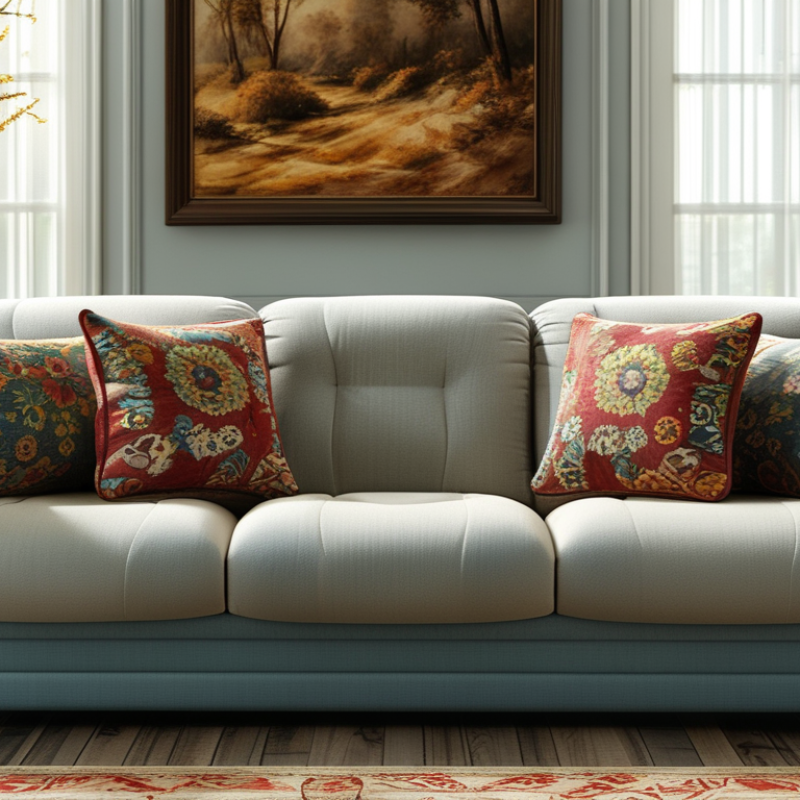
When considering the various types of sofas, it's essential to understand the unique features each one offers. For example, sectionals provide ample seating and are ideal for larger spaces. They often come with customizable arrangements, allowing flexibility based on room layout. However, they may not fit well in smaller areas, which can be a challenge.
In contrast, traditional sofas are classic and versatile. They can complement different decor styles. The average lifespan of a well-maintained traditional sofa can range from 7 to 15 years, according to industry reports. But, poorer quality sofas might only last 3 to 5 years. Leather sofas, while often perceived as luxurious, may require regular conditioning to maintain their appearance and durability.
Sleeper sofas present another option. They combine functionality with style, acting as a couch by day and a bed by night. However, the hidden mechanisms can sometimes lead to malfunctions. One report indicates that while sleeper sofas typically last 5 to 10 years, wear and tear may occur faster due to frequent use. Understanding these nuances helps consumers make informed decisions in selecting the right sofa for their needs.
: The frame material, upholstery quality, construction method, and cushioning type all influence a sofa’s durability.
Vacuuming weekly is ideal. This reduces accumulated dust and maintains appearance without causing wear to fabrics.
Blot spills immediately with a clean cloth. Avoid rubbing to prevent the stain from getting worse.
Sunlight can cause fading over time. Keeping your sofa away from direct sun exposure helps maintain its colors.
Signs include sagging cushions, significant stains, creaking noises, and unpleasant odors. Also, consider age - over ten years may indicate replacement.
Yes, professionals can deeply clean and restore your sofa, which extends its lifespan and improves overall appearance.
If it's sagging or uncomfortable, it’s wise to consider replacement. An uncomfortable sofa affects your enjoyment of the space.
Regular cleaning and proper care can significantly extend a sofa's lifespan, yet many people neglect these aspects.
Handmade sofas often exhibit better durability due to superior construction methods. However, they may require more investment.
Choose based on materials, comfort, and maintenance needs. It’s important to reflect on personal style and practicality.
When considering furniture, a key question often arises: "What is the average lifespan of a high-quality sofa?" The lifespan largely depends on various factors, including the sofa's material, construction quality, and usage. Sofas made from high-quality materials like leather or hardwood frames typically last longer than those made from lower-grade materials. Additionally, proper maintenance plays an essential role in extending a sofa's life; regular cleaning and avoiding excessive wear can significantly prolong its usability.
Different types of sofas, such as sectional, recliner, or sleeper sofas, each come with unique features that can influence their durability. Understanding the signs that indicate it's time to replace your sofa, such as sagging seats or visible damage, can help in making informed decisions. By exploring the average lifespans associated with various materials and following maintenance tips, consumers can ensure they make wise investments for their living spaces.
