 Kado Home
Kado Home
Kado Home
Sagging sofa cushions can be a frustrating problem for many homeowners. They not only affect the appearance of your living space but also diminish comfort, making lounging less enjoyable. If you find yourself wondering how to fix sagging sofa cushions at home, you're not alone. Many people face this issue over time due to wear and tear, poor quality materials, or simply age.
Understanding the underlying reasons for the sagging can help guide your repair efforts. It’s crucial to assess the cushion's filling material and the sofa's frame. Often, a quick fix can involve using foam inserts or adding extra stuffing. These solutions can restore some comfort and support without the need for professional help.
However, it's important to recognize that some fixes might not last long. You may need to experiment with different methods to find what works best. Remember, it’s okay if your initial attempts don’t yield perfect results. Each effort teaches you more about your sofa and how to care for it. Embracing this learning process makes the task less daunting and more manageable.
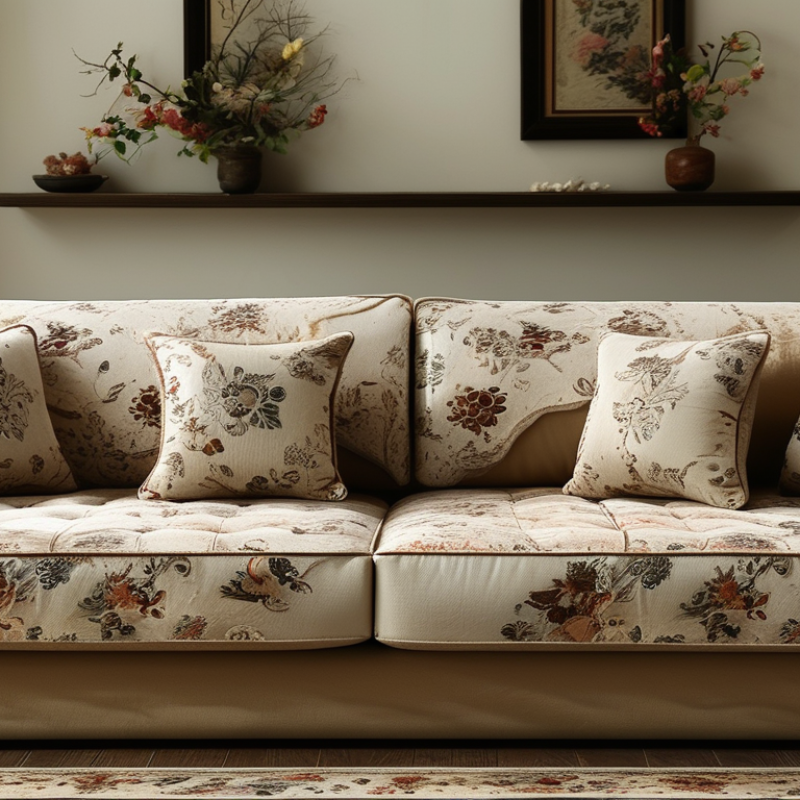
Understanding the causes of sagging sofa cushions is essential for effective solutions. Over time, cushions lose their firmness due to regular use. Weight, age, and material quality play significant roles in this wear and tear. Specific materials, like foam, may compress faster than others, leading to noticeable dips. The sofa's frame can also impact cushion support. A weak frame may not hold the cushions properly, exacerbating the sagging.
Tips for maintaining your cushions include rotating them regularly. This simple step can help distribute wear evenly. Try adjusting the filling inside the cushions. Sometimes, adding more foam or polyester fiber can restore their shape. Remember, the way you sit affects the cushions too. Sitting for hours in one spot can lead to uneven wear.
Occasionally, reflect on your furniture's overall condition. If your sofa is old, that may be part of the problem. Check for any loose seams or damaged materials, as these can worsen sagging issues. Repairing these small problems can significantly increase the longevity of your sofa. Restoring your cushions might take a bit of effort, but with the right approach, your sofa can feel new again.
| Cause | Description | Fix Method | Expected Result |
|---|---|---|---|
| Overuse | Constant sitting can compress cushion fibers, leading to sagging. | Rotate cushions regularly and limit excessive sitting in one spot. | Improved cushion shape and support. |
| Wear and Tear | Natural degradation of materials causes loss of support. | Replace inner foam or add a foam topper. | Enhanced comfort and increased durability. |
| Improper Cleaning | Incorrect cleaning methods can damage cushion structure. | Use appropriate cleaners and methods as per fabric type. | Maintained cushion integrity and appearance. |
| Insufficient Support | Cushions may lack the necessary support structure. | Add plywood or support boards beneath cushions. | Stabilized cushions providing better support. |
| Moisture Damage | Dampness can warp materials and lead to mold. | Ensure proper drying and consider moisture barriers. | Prevented mold growth and maintained cushion shape. |
: Regularly rotate and fluff your cushions with your hands to prevent flattening.
They protect the foam from dirt and spills and are easy to clean.
Yes, direct sunlight can cause fading and damage. Keep cushions away from it.
Regular assessments ensure comfort. Check for unevenness or loss of shape frequently.
If cushions are lumpy or sagging significantly, it may be time for a replacement.
They can be tempting but may not provide lasting solutions. Professional advice is better.
Typically, cushions last three to five years, depending on usage and care.
If the frame is compromised, repairs may not be worth it compared to replacement costs.
Higher-quality materials generally last longer and resist wear better over time.
No, routine methods like fluffing may not suffice for severe issues; professional help is recommended.
In this article, we explore how to fix sagging sofa cushions at home by first understanding the underlying causes of sagging. Factors such as material wear and tear can contribute to this issue, making it essential to assess the type of cushion material used in your sofa. By identifying the material, you can select appropriate DIY methods to restore the firmness of your cushions, such as adding extra padding or using support boards.
Additionally, we provide tips for maintaining sofa cushion shape to prolong their lifespan. Regular fluffing and rotating the cushions can significantly help in reducing sagging over time. However, if the cushions remain unmanageable after your efforts, we discuss when it might be necessary to consider professional repair or replacement services. Whether tackling the problem alone or seeking help, this guide aims to empower you with practical solutions for a more comfortable sofa experience.
