Kado Home
When shopping for a sofa, understanding the material is crucial. Many people ask, "How to tell if a sofa is made of genuine leather." According to Lisa Murdoch, a renowned expert in furniture materials, "The touch and smell of genuine leather provide key insights into its authenticity."
Genuine leather is not just about appearance; it involves sensory experiences. Real leather feels soft, yet sturdy. It has a distinct smell that synthetic materials lack. When you consider these aspects, the decision becomes clearer. Many people overlook these details, focusing solely on price.
However, recognizing genuine leather can save you from future disappointments. Look for small imperfections. They often indicate natural materials. Pay attention to the stitching too; quality leather sofas have precise and tight seams. These characteristics enrich your sofa's story, showcasing its quality and durability.
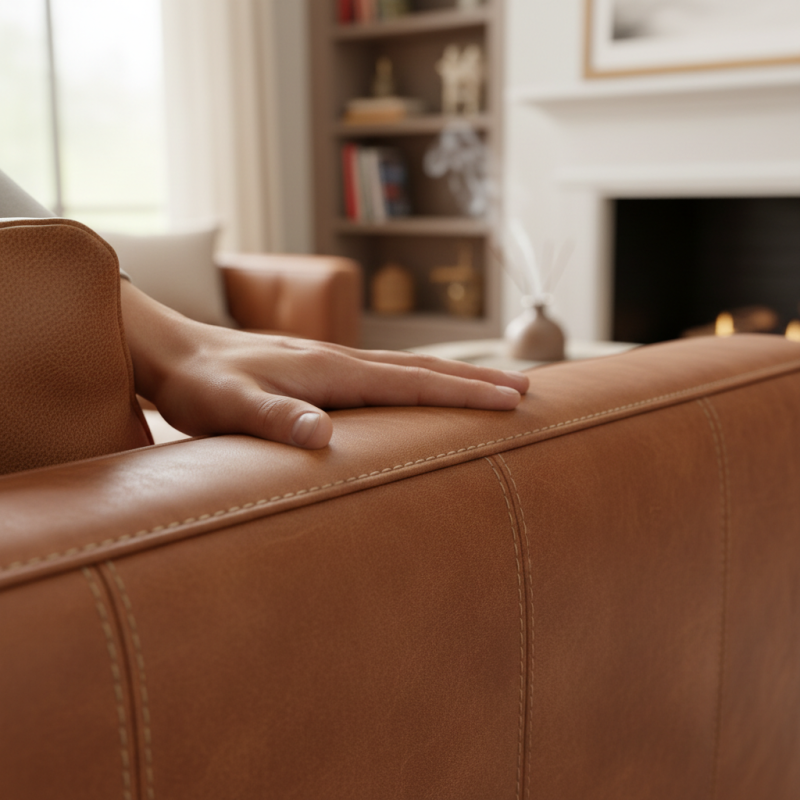
When looking for genuine leather in a sofa, it's important to understand the various types of leather available. Full-grain leather is the highest quality. It retains the natural grain and texture. This type of leather is durable and ages beautifully over time. It's resistant to wear and tear, making it an ideal choice for furniture.
Top-grain leather is another popular option. It is slightly processed, which smooths out imperfections. While it is less durable than full-grain leather, it is still quite robust. Many people appreciate its refined look. However, this processing can make it less breathable.
Correctly identifying leather types can be challenging. Some sofas may use bonded leather, which combines leather scraps with synthetic materials. This option looks good but lacks durability. It's wise to be cautious. Always examine the tags and ask sellers about the material's origin. Recognizing these details helps ensure you're making an informed choice.
When examining a sofa, genuine leather exhibits distinct visual characteristics. Look for natural imperfections on the surface. These include scars and wrinkles, which indicate authenticity. Unlike synthetic materials, real leather has a unique texture that varies across the surface. The feel is vital; genuine leather is soft yet durable.
Color variations can be a telltale sign of real leather. A rich, deep hue often signals quality. Artificial materials tend to have a uniform color, lacking depth. Notice the overall finish; genuine leather may age beautifully, developing a patina over time. This process adds character and tells a story.
**Tips:** Check for a layered look; real leather often displays different textures. Pay attention to stitching; hand-stitched seams indicate quality. Explore the smell; genuine leather has a distinct, rich aroma that cannot be replicated. If it feels plastic or overly glossy, it might be fake. Always trust your instincts; if something feels off, it probably is.
| Characteristic | Description | Visual Cues |
|---|---|---|
| Grain Pattern | Genuine leather has a natural grain pattern that is unique. | Check for irregularities and variations in the pattern. |
| Smell | Genuine leather has a distinct, earthy scent. | A chemical or plastic smell indicates faux leather. |
| Texture | It feels warm to the touch and has a soft, pliable texture. | Test for suppleness; stiffer materials may be synthetic. |
| Finish | Genuine leather has a matte finish with subtle sheen. | Avoid overly glossy surfaces which often indicate synthetic materials. |
| Durability | Genuine leather is quite durable and ages well. | Look for signs of wear that are consistent with quality leather. |
When distinguishing genuine leather from faux leather, tactile sensations play a crucial role.
Genuine leather feels soft and supple to the touch. You might notice a unique texture that varies across the surface. It may present small imperfections, which are often signs of authenticity.
Faux leather, on the other hand, has a uniform texture. It can feel cold and stiff, lacking the natural warmth of real leather.
Examining the texture closely can reveal more. Genuine leather showcases pores and wrinkles that indicate its natural origin. These small details contribute to its character.
Faux leather might imitate this appearance but often falls flat in terms of tactile feel. As you run your fingers over the material, you might realize genuine leather yields to pressure.
In contrast, faux leather may feel plastic-like and rigid.
Understanding these nuances can help in making an informed decision. Remember, the tactile experience is key. Consider where you purchase your sofa and the source of the leather.
Authenticity can sometimes be hidden beneath the surface. Always trust your senses when evaluating materials.
One of the most distinctive features of genuine leather is its smell. Unlike synthetic materials, real leather has a unique, rich scent that many describe as earthy and natural. This odor comes from the tanning processes used on animal hides. A study by the Leather Research Institute found that 85% of participants can identify genuine leather based on its smell alone. This natural characteristic sets it apart from imitations.
When testing for genuine leather, a simple smell test can be effective. Bring the fabric close to your nose and inhale deeply. Real leather will often evoke a warm, inviting aroma. In contrast, synthetic leathers tend to have a plastic or chemical smell. It's essential to utilize this method in a well-ventilated area, as strong scents might interfere. Not all genuine leathers carry the same intensity of smell. For instance, budget-grade leathers may have a less pronounced scent due to less authentic tanning processes.
While the smell test is a reliable method, it is not foolproof. Some dyed or heavily processed leathers may mask their authentic scents. Additionally, individual sensitivity to scents varies greatly, making it subjective. Relying solely on smell could lead to errors in judgment. Consider combining this test with other identification methods to ensure accuracy.
When evaluating the longevity of leather in sofas, it's essential to consider its durability and the unique patina that develops over time. Genuine leather ages gracefully, developing character with each passing year. You may notice subtle shifts in color and texture, creating depth that synthetic materials simply cannot replicate. This aging process is often a sign of high-quality leather.
Tips: Look for natural imperfections in the leather, such as scars or variations in grain. These flaws indicate authenticity. Regular cleaning and conditioning can enhance the leather’s lifespan, allowing it to retain its aesthetic appeal.
The patina formed on genuine leather is dynamic. It evolves based on usage, exposure, and environment. Each scratch or mark tells a story. While some may doubt its worth, understanding the value of a beautiful aging process is critical. A leather sofa can become a beloved family heirloom, bearing memories and history.
Tips: Avoid excessive direct sunlight to prevent fading. Ensure that you clean spills promptly; this will prevent lasting damage. Embrace the imperfections and appreciate the journey of your leather sofa.
: Full-grain leather is the highest quality leather. It retains natural grain and texture.
It is durable and ages beautifully over time. This type resists wear and tear effectively.
Top-grain leather is slightly processed to smooth imperfections. It is less durable but has a refined look.
Look for natural imperfections, such as scars and wrinkles. These indicate authenticity and quality.
Genuine leather often has rich, deep hues with color variations. Uniform colors may suggest synthetics.
Yes, real leather has a unique, rich scent. It typically smells earthy, unlike synthetic materials.
Yes, some dyed leathers may mask scents. Individual scent sensitivity can also vary widely.
Always check tags for material information. Ask sellers about the leather’s origin for clarity.
Look for a layered appearance and hand-stitched seams. Genuine leather often shows variation in texture.
If the feel is plastic or overly glossy, it might not be genuine. Trust your instincts if something feels off.
When considering how to tell if a sofa is made of genuine leather, it is essential to understand the various types of leather commonly used in furniture. Genuine leather typically exhibits distinct visual characteristics, such as unique grain patterns and natural imperfections, which can be an indicator of authenticity. Additionally, the tactile sensations of genuine leather are notable; it is soft, flexible, and cooler to the touch compared to faux leather.
In addition to visual and tactile cues, the smell test can be a reliable method, as genuine leather has a distinctive, rich odor that synthetic materials lack. Lastly, assessing the durability and aging of leather is crucial; genuine leather develops a beautiful patina over time, showcasing its longevity and quality. By combining these methods, one can accurately discern the authenticity of leather in a sofa.
