Top 10 Ways to Protect a New Sofa From Stains and Spills

Time:2026-10-01 Author:Liam
0%

A new sofa quickly becomes part of daily life. Coffee lands near the armrest. Crumbs settle between cushions. A child’s damp sleeve leaves a faint ring. Learning How to protect a new sofa from stains and spills helps preserve its appearance, comfort, and resale value. Protection should begin before the first accident, not after a visible mark appears.

The Environmental Protection Agency reports that indoor pollutant levels can be two to five times higher than outdoor levels. Upholstery can collect dust, skin particles, oils, and food residue over time. The Institute of Inspection Cleaning and Restoration Certification recommends following fabric-care codes and testing products in hidden areas. Upholstery-care specialist Mary Marlowe Leverette advises, “Always check the manufacturer’s cleaning instructions before treating upholstery.” That simple step prevents many expensive mistakes. It also reminds us that one cleaning method cannot suit every sofa.

This guide examines ten practical protection methods, including fabric-safe sprays, washable covers, regular vacuuming, spill blotting, and sensible household rules. The American Cleaning Institute emphasizes prompt cleaning because fresh soils are generally easier to remove than aged residues. Still, no protector makes a sofa completely stain-proof. That promise would be misleading. Even careful homes experience accidents. A white cloth, mild approved cleaner, and quick response can make a noticeable difference. Material type, finish, ventilation, and product testing all matter. Results may vary. The goal is not perfection, but a sofa that remains cleaner, fresher, and easier to maintain through ordinary living.
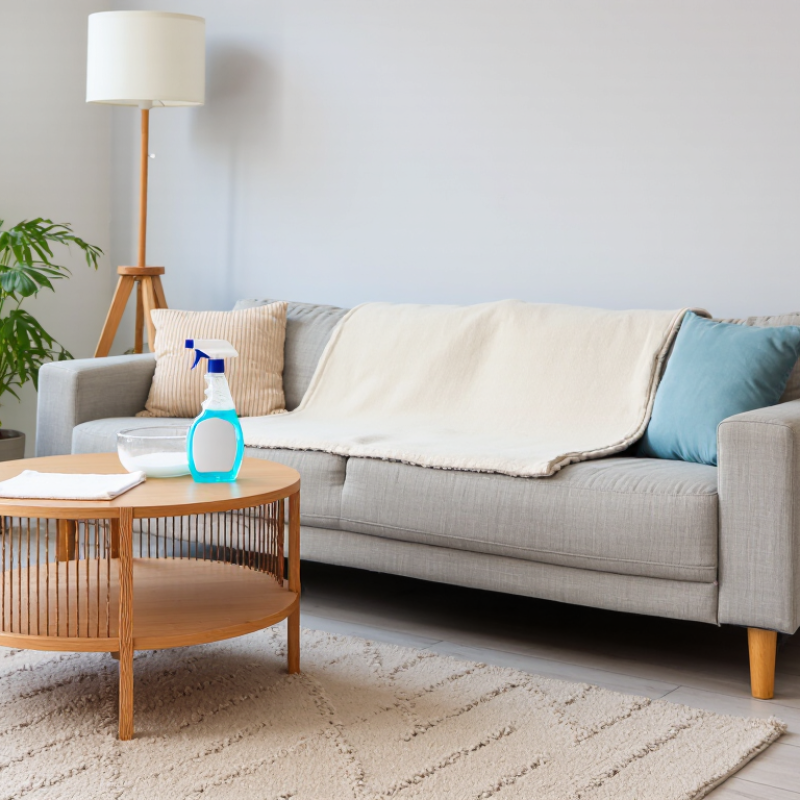
Top 10 Ways to Protect a New Sofa From Stains and Spills

Choose a Stain-Resistant Sofa Material and Protective Finish

When choosing a new sofa, start with the material, not the color. A stain-resistant weave can save hours after a tipped coffee cup. Look for tightly woven polyester, treated performance fibers, or durable leather with a sealed surface. Check the fabric’s care code and abrasion rating before ordering. Those details matter more than a showroom label. Ask for a sample. Spill a teaspoon of water on it. Watch whether it beads, spreads, or darkens the fabric.

A protective finish adds another layer against milk, sauce, and muddy fingerprints. However, it does not make the sofa spill-proof. Reliable manufacturers should explain the finish, cleaning limits, and expected durability. Avoid choosing based only on phrases like “easy care.” Request testing information when possible, especially for homes with children or pets. A finish may also change the fabric’s softness or sheen. Touch the sample under natural light.

I once trusted a pale fabric because a salesperson called it practical. A small juice spill left a visible ring after cleaning. That mistake changed how I judge upholstery. I now test samples with water, diluted juice, and a damp white cloth. Do this carefully. Never scrub aggressively or apply household chemicals without checking the care instructions. Even strong materials need prompt blotting, gentle cleaning, and occasional professional attention. The best protection begins before delivery.

Top 10 Ways to Protect a New Sofa From Stains and Spills

Choose a Stain-Resistant Sofa Material and Protective Finish

Typical moisture regain shows how much moisture a dry fiber absorbs from air at standard textile-testing conditions. Lower values generally mean less initial moisture uptake, giving you more time to blot spills. A stain-resistant finish can further improve cleanability, but actual sofa performance also depends on fabric construction, color, backing, and maintenance.

Measure the Sofa and Apply a Suitable Protective Cover

Measure the sofa before buying a protective cover. Record the full width, seat depth, back height, arm width, and cushion thickness. Include the gap between cushions. A cover that looks generous may still expose the front edge. It may also slide during ordinary use.

The International Organization for Standardization’s ISO 4920 test measures fabric resistance to surface wetting. The American Association of Textile Chemists and Colorists uses AATCC 118 to assess oil repellency. These tests do not make upholstery stain-proof. They show why a cover should match the expected spill type. Choose a water-resistant cover for drinks, and a tighter, washable weave for households with children or pets. Avoid plastic-like materials that trap heat against the fabric.

Fit the cover while the sofa is empty. Tuck the material deeply into the seat seams, then test it with three movements: sitting, standing, and reaching. Check exposed corners afterward. The American Cleaning Institute’s 2024 National Cleaning Survey reported that cleaning remains a regular household task for most consumers, so easy removal matters more than a perfect appearance. Wash the cover according to its care label, and test a hidden section first. I once used a loose cover that shifted within an hour. It protected the center, but not the arms. Measure twice. Coverage still needs adjustment.

Establish Rules to Prevent Food and Drink Spills

In my experience, clear house rules protect a new sofa better than emergency cleaning. Keep the rule simple: food stays at the table, and drinks need secure lids near the sofa. Children and guests should hear this before sitting down, not after a spill. A small tray beside the seating area gives drinks a stable place. It also keeps cups away from armrests, where accidental knocks happen easily.

Use washable blankets during movie nights or casual meals. Place one across the seat and another beneath snacks. Choose fabrics that can handle frequent washing. Check the sofa’s care label before adding any cleaner or protective spray. Upholstery professionals commonly recommend blotting spills quickly, rather than rubbing them deeper into the fibers. Keep plain white cloths nearby for this reason. Dark towels may transfer dye.

Rules must fit real life. I once allowed one “quick snack” on a sofa, and crumbs soon appeared under every cushion. That exception weakened the whole system. Now, I permit dry snacks only with a tray, and I keep wet foods at the table. Still, guests may forget. A calm reminder works better than embarrassment. If a spill happens, remove solid pieces with a spoon, blot from the outside inward, and follow the care instructions before trying anything stronger.

Clean Spills Immediately With Fabric-Safe Methods

A new sofa often meets its first spill during an ordinary evening, not a planned accident. I once watched coffee spread across a pale cushion within seconds. Speed matters. Use a clean, white, absorbent cloth to blot the liquid gently. White fabric helps prevent dye transfer. Press from the outside toward the center. Never scrub. Rubbing can push the stain deeper and damage delicate fibers. For thick sauce or crumbs, lift them carefully with a spoon before blotting.

Check the sofa’s care label before using any solution. Test the method on a hidden seam and wait for the fabric to dry. For washable upholstery, mix a small amount of mild detergent with cool water. Dampen a cloth lightly, then blot instead of pouring water directly onto the cushion. Avoid soaking the filling. Moisture trapped inside may create odors or weaken the backing. Let the area dry naturally with good air circulation. Direct heat can set marks or distort fabric. If the stain remains, stop experimenting and contact a qualified upholstery cleaner, especially for delicate woven materials. I sometimes clean too quickly and use excessive pressure; that usually makes the mark worse. A slower, gentler approach is less dramatic, but more reliable.

Maintain the Sofa With Regular Cleaning and Inspection

A new sofa needs routine attention before stains become permanent. Regular cleaning removes dust, crumbs, and oily residue that can weaken fabric fibers. I inspect the seams, cushions, and armrests every week. Look closely. Crumbs often hide beneath loose cushions. Use a vacuum with a soft upholstery attachment, and avoid pressing too hard. Excessive pressure can flatten delicate textures. Rotate removable cushions monthly to reduce uneven wear.

Spills require quick, gentle action. Blot the area with a clean, white cloth instead of rubbing it. Rubbing can spread the liquid and push it deeper. Check the sofa’s care label before using any cleaner. Upholstery-care professionals recommend testing a small hidden area first. A mild solution may still change the color. Keep moisture limited, especially around zippers and wooden frames. Do not dry the fabric with intense heat.

Inspect the sofa after cleaning. Watch for loose stitching, lifted edges, fading, or lingering odors. Small damage is easier to address early. I once ignored a faint coffee mark, assuming it would disappear. It became a darker ring after several days. That mistake changed my cleaning routine. Now, I record unusual spots and check them again after drying. The method is not perfect, but careful observation prevents many avoidable stains and costly repairs.

FAQS

What sofa materials usually resist stains better?

Choose tightly woven polyester, treated performance fibers, or sealed leather. Dense surfaces slow liquid spread. Color still matters less than construction.

How can I test a sofa fabric before buying?

Request a small sample. Drop one teaspoon of water onto it. Watch whether the liquid beads, spreads, or darkens the weave.

Does a protective finish make a sofa spill-proof?

No. It only adds resistance against milk, sauce, and muddy fingerprints. Blot spills quickly. Never scrub aggressively.

What should I ask about a protective finish?

Ask about its cleaning limits, expected durability, and testing information. Touch the sample under natural light. The finish may change softness or shine.

How should I measure a sofa cover?

Record the full width, seat depth, back height, arm width, and cushion thickness. Measure the gaps between cushions too. Measure twice.

How can I check whether a cover fits securely?

Fit it while the sofa is empty. Tuck it deeply into the seat seams. Then test sitting, standing, and reaching.

What cover material suits drinks and family use?

Choose a water-resistant cover for drinks. A tighter, washable weave suits children or pets. Avoid plastic-like materials that trap heat.

What common sofa-cover mistake should I avoid?

Do not trust a loose cover because it looks generous. It may protect the center while exposing the arms. I learned this the hard way.

How should I clean a stained sofa safely?

Check the care code before using any product. Blot with a damp white cloth. Test hidden areas first, and seek professional care when needed.

Conclusion

Learning How to protect a new sofa from stains and spills begins with choosing a durable, stain-resistant fabric and, when possible, adding a protective finish. Measure the sofa carefully before selecting a fitted cover that shields the seats, arms, and back without creating loose, unsafe folds. A suitable cover can reduce everyday wear while preserving the sofa’s appearance and comfort.

Prevention is equally important. Establish simple household rules, such as keeping messy foods and uncovered drinks away from the sofa. If a spill occurs, blot it immediately with a clean cloth and use only a fabric-safe cleaning method suited to the sofa’s material. Avoid rubbing, excessive moisture, or harsh chemicals that may spread the stain or damage the upholstery. Regular vacuuming, gentle surface cleaning, and periodic inspections can help identify crumbs, moisture, loose seams, or early stains before they become harder to manage. With consistent care, a new sofa can remain fresh, comfortable, and attractive for much longer.

Liam

Liam

Liam is a dedicated marketing professional with a profound expertise in the industry, where he excels at highlighting the unique advantages of our core products. With a keen understanding of market trends and consumer needs, Liam frequently updates our company’s professional blog, providing......