Cleaning a leather sofa can seem daunting. Many worry about damaging the material. Understanding how to clean a leather sofa without ruining it is essential for maintaining its beauty and longevity. Leather, while durable, requires careful attention. Improper cleaning methods can lead to stains, cracks, or discoloration.
Using the wrong products is a common mistake. Some cleaners may be too harsh or contain chemicals that harm leather. Choosing the right cleaner is vital. Often, mild, natural solutions work best. Test any product on a hidden area first. This approach helps you see how the leather reacts. Perhaps you find the cleaner worked well, or it caused an unexpected issue.
Regular maintenance is important. Dust and dirt can accumulate, leading to wear over time. Consider using a soft cloth weekly to keep surfaces clean. Learning how to clean a leather sofa safely ensures it stays in prime condition. It’s a balance of care and practicality. Recognizing the need for ongoing attention can enhance the sofa's lifespan.
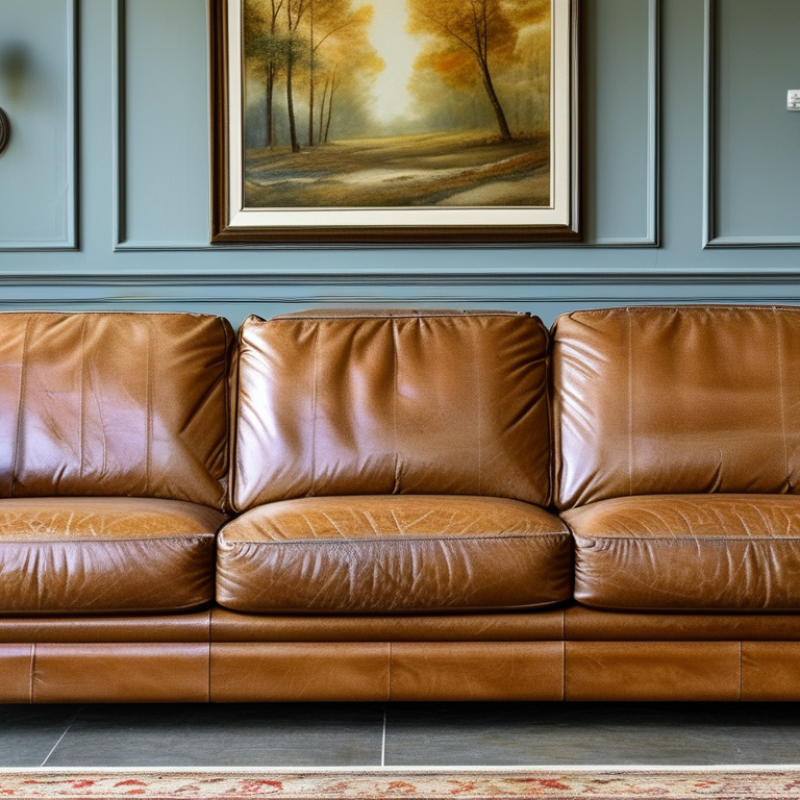
Understanding Leather Types: An Essential Step for Couch Care
When caring for your leather sofa, it's vital to understand the different types of leather. Each type requires specific cleaning methods. The three main types include full-grain, top-grain, and split leather. Full-grain leather is the most durable. It can withstand wear and tear while aging beautifully. Top-grain leather has a more polished finish but is less resistant to scratches. Split leather is the most affordable, but it's also the least durable.
Caring for your sofa will depend on its leather type. For full-grain leather, use a damp cloth to wipe away dirt. A gentle soap solution can tackle stains. Avoid using harsh chemicals that may strip the leather's natural oils. Top-grain leather needs conditioning every few months. This keeps its surface supple. A microfiber cloth can help apply leather conditioner evenly.
Tip: Test cleaning solutions on a small area first. This ensures they won't damage the finish. Regular maintenance, like vacuuming with a soft brush attachment, helps prevent dirt buildup. Stay attentive to spills. Blot any liquid quickly to avoid permanent stains. The right care will enhance your leather sofa's longevity. Be mindful of your cleaning choices, as improper methods can lead to irreversible damage.
Tools Needed for Cleaning Leather Sofas: A Comprehensive List
Cleaning a leather sofa requires specific tools to maintain its beauty and durability. Using the right equipment is essential to avoid damage. A microfiber cloth is crucial for removing dust and dirt. These soft materials prevent scratches and do not leave lint behind. For deeper cleaning, a soft-bristle brush can help gently agitate the surface, lifting grime without harming the leather.
In addition to fabric tools, a pH-balanced leather cleaner is important. Reports show that 70% of leather couch damage results from using improper cleaning agents. Always test any product on a hidden area first. A damp sponge or cloth can help when dealing with stains, but avoid oversaturation. Leather is porous, and too much moisture can lead to mildew or warping.
For maintenance, consider a leather conditioner every six months. Studies indicate that regular conditioning can extend the lifetime of leather furniture by up to 20%. It's easy to get caught up in wanting a spotless sofa, but remember that minor imperfections tell the story of the piece. Embrace small scuffs as part of its character. Taking a step back can help you appreciate the leather's natural aging process.
Safe Cleaning Solutions: Homemade vs. Commercial Products
Cleaning a leather sofa requires careful consideration. When choosing cleaning solutions, you can opt for homemade methods or commercial products. Homemade solutions often use simple ingredients like vinegar and water or olive oil. These options are cost-effective and less likely to contain harsh chemicals. However, they lack rigorous testing for leather care.
On the other hand, commercial cleaners are formulated specifically for leather. According to a study by the Leather Care Industry Association, 70% of cleaning products labeled safe for leather have undergone testing for effectiveness. Yet, not all commercial products are equal. Some can contain alcohol or abrasive agents, which might damage the finish.
**Tips:** Always test any cleaner on a small, hidden area first. This helps avoid unintended damage. Additionally, use a soft cloth to avoid scratches. For regular maintenance, wiping down your sofa with a damp cloth can help remove dust and dirt without harsh chemicals. Remember, cleaning leather isn’t just about aesthetics; it's about preserving the material's longevity. Over time, improper cleaning can lead to cracks and fading.
Step-by-Step Cleaning Process: Methods to Avoid Damage
Cleaning a leather sofa requires careful attention to detail. Start by dusting the surface with a soft cloth. This removes dirt and debris. Avoid using rough materials, as they can scratch the leather. It's essential to choose the right cleaning solution. Opt for a mild soap mixed with water. Test the solution on an inconspicuous area to prevent discoloration.
When applying the solution, use a damp cloth. Wipe gently in circular motions. Do not soak the leather, as excess moisture can cause damage. After cleaning, dry the surface with a different soft cloth. Allow the leather to air dry completely. It might look uneven at first. That’s normal; it will settle into its natural finish.
Conditioning the leather is a crucial step. Use a leather conditioner to maintain its suppleness. This helps prevent cracking and drying. Apply it sparingly, as too much can alter the texture. While the process can be tricky, taking care of your leather sofa is rewarding. Reflect on your methods and adjust based on results. You'll develop a routine that keeps your furniture looking its best.
Preventative Maintenance: Keeping Your Leather Sofa in Top Condition
Maintaining a leather sofa requires attention and care. Leather is a natural material that can show signs of wear and tear. According to a study by the Leatherworking Group, proper maintenance can extend the lifespan of leather furniture by up to 50%. Regular cleaning helps to remove dirt and oils that accumulate over time, preventing damage and deterioration.
Use a soft, dry cloth for dusting weekly. This simple action can significantly reduce the buildup of grime. Experts recommend applying a leather conditioner every 6-12 months. This keeps the leather supple and reduces the risk of cracking. It's essential to avoid oversaturation, as too much conditioner can lead to residual stickiness.
Protection is key. Using a fabric protector spray can shield your sofa from spills and stains. However, some homeowners may overlook the importance of testing these products in a small area first. This ensures there are no adverse reactions with the leather. It’s easy to become complacent, assuming leather is indestructible. Yet, like any material, it requires thoughtful preservation. A proactive approach will keep your leather sofa looking new for years.
Leather Sofa Maintenance: Cleaning Frequency vs. Damage Risk
FAQS
: A microfiber cloth, a soft-bristle brush, and pH-balanced leather cleaner are key tools.
Using an improper cleaner can cause significant damage, with 70% of issues linked to the wrong products.
Conditioning every six months can extend the life of your leather furniture by up to 20%.
Use a damp sponge or cloth but avoid oversaturation to prevent mildew or warping.
Dusting weekly with a soft, dry cloth will help limit the buildup of dirt and oils.
Yes, leather shows wear over time, but small imperfections can enhance its character and story.
Yes, always test new cleaners or protectors on a hidden area to avoid unexpected reactions.
Consider using a fabric protector spray, but remember to test it on a small area first.
Applying too much conditioner can leave a sticky residue; moderation is important.
Proper care can extend its lifespan by up to 50%, making regular maintenance important.
Conclusion
Cleaning a leather sofa requires careful consideration to ensure that it remains in excellent condition. Understanding different types of leather is crucial because each type may require specific care techniques. To clean a leather sofa without ruining it, it’s essential to gather the right tools, including soft cloths, brushes, and appropriate cleaning solutions, which can be either homemade or commercial products.
The cleaning process involves a step-by-step approach that minimizes the risk of damage, such as testing solutions on hidden areas first and avoiding harsh chemicals. Additionally, preventative maintenance plays a significant role in preserving your leather sofa, ensuring it remains in top condition for years to come. With the right knowledge and techniques, you can effectively clean your leather sofa while keeping it safe from damage.
 Kado Home
