Kado Home
When it comes to moving, disassembling a sofa can seem daunting. Experts like Jack Simmons, a furniture moving specialist, emphasize, "Knowing how to disassemble a sofa for moving can save time and prevent damage." This is crucial for those who may not have tackled such tasks before.
Understanding how to disassemble a sofa for moving is essential when space is limited. Sofas can be bulky and heavy. With the right approach, the process becomes manageable. Remember, it’s not just about physical strength. It’s about having a plan. Take note of how parts fit together. Label each section as you go. This aids reassembly at the new location.
Mistakes happen. Missing a bolt can lead to frustration later. Reflecting on past experiences can help improve your technique. Have the right tools on hand, and be patient. Moving a sofa doesn’t have to be a headache. With these strategies, you can navigate it more smoothly.
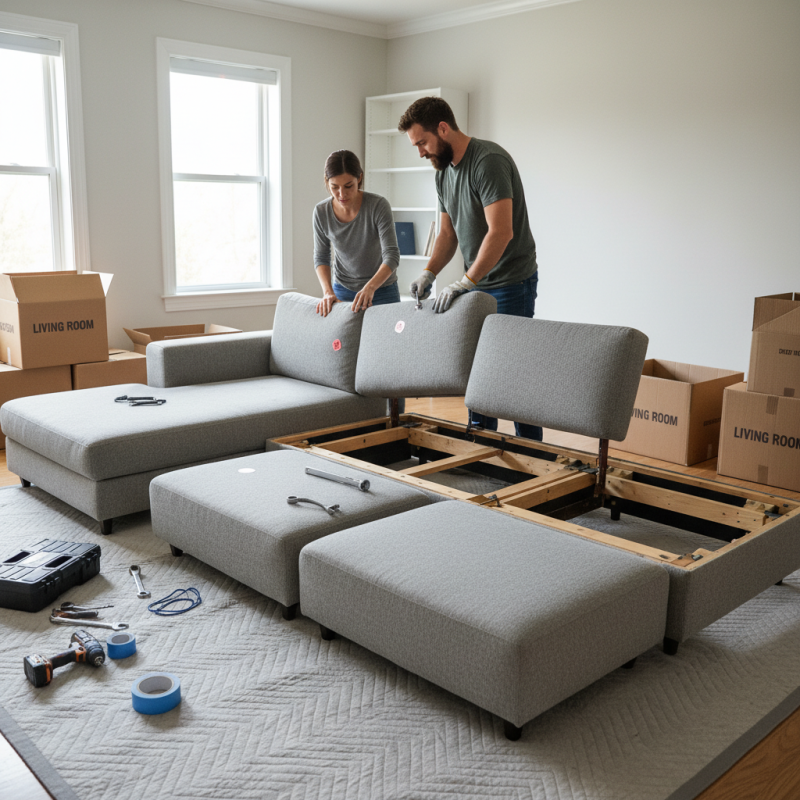
Disassembling a sofa can be daunting without the right tools. To make this process smoother, you need a few essential items. A wrench is crucial for removing bolts. Additionally, a screwdriver set helps detach screws holding the frame together. Don’t forget a pair of pliers for gripping components firmly.
You might want some soft cloths to protect your sofa during disassembly. These could prevent scratches on the surface when moving parts. An adjustable utility knife is handy for cutting any fabric or accessories that may be stuck. Even a plastic bag for holding small screws can save you from losing essential parts.
While these tools are helpful, experience matters too. Ensure that you take notes or pictures as you disassemble to remember how to put it back together. It’s easy to get overwhelmed and confused, especially if you’re short on time. Patience is key; rushing can cause damage or lead to missing pieces. When in doubt, consider watching tutorials to see how others tackle this task.
| Tool | Purpose | Tips |
|---|---|---|
| Screwdriver | To remove screws and bolts from the sofa. | Use the correct type (flathead or Philips) for easy removal. |
| Allen Wrench | To disassemble parts with hexagonal bolts. | Check if your sofa comes with one; often included in assembly. |
| Pliers | To grip, twist, or remove objects. | Useful for pulling nails or staples. |
| Utility Knife | For cutting upholstery or removing fabric. | Be careful with fabric to avoid damage. |
| Furniture Sliders | To easily move disassembled parts. | Place under the feet to prevent floor scratches. |
Disassembling a sofa can seem daunting. However, removing the sofa legs is a crucial step that simplifies the process. It often makes moving your sofa easier and prevents damage. Here’s how you can do it effectively.
Start by turning the sofa onto its side. Make sure to protect the surface from scratches. Locate the screws or bolts on each leg. Often, they are hidden under fabric or a protective cover. Use a screwdriver or wrench to remove them carefully. If you encounter resistance, don’t force it. Check if there are any additional fasteners holding the leg. Patience is key. Each leg may require different tools.
Tips: Keep a small container handy for the screws. This ensures you won’t lose them. Additionally, take pictures of the legs before disassembly. This visual reference can help during reassembly. If one leg feels wobbly after removing it, consider checking the others. Sometimes, the legs can be uneven. Disassembly isn’t always perfect, so be prepared for some hiccups. It’s all part of the process.
When preparing to move a sofa, detaching the cushions and covers is a crucial step. Start by checking if the cushions are removable. Some may simply lift off while others might be attached with zippers or Velcro. Gently pull at the edges to see how they come off. This can help avoid damage during the moving process. Be patient, as some cushions can be tricky to remove.
Next, remove the sofa covers if they are washable. Check for zippers and buttons, as some covers are designed to be easily detached. Whenever possible, follow the manufacturer’s care instructions. Take time to ensure you are not tearing the fabric. It may be useful to take a photo of the sofa before disassembly. This can guide you in reassembling it later.
While handling fabric and cushions, be mindful of dirt or pet hair. Cleaning before moving can make for a fresh start in your new space. Disassembling may take longer than expected. Sometimes, it’s easy to overlook small attachments that can complicate the process. Remember, don’t rush. It’s better to take a moment to ensure everything is done right.
Disassembling a sofa for a move can save space and reduce the hassle. To start, identify the sections that can be separated. Most sofas have detachable cushions, arms, and even legs. Consider removing these pieces first, as they are often light and easy to handle. Use a soft cloth to protect the fabric and prevent scratches while disassembling.
Next, focus on the frame. Some sofas have screws or bolts that hold the sections together. Use the right tools, such as a screwdriver or an adjustable wrench, to loosen them. Make sure to store these screws in a labeled bag. This organization avoids the headache of mismatched pieces during reassembly. If a section feels stuck, gently wiggle it back and forth to loosen it up.
Keep in mind that not all sofas are designed for easy disassembly. Sometimes, they may be more difficult to separate than anticipated. It’s crucial to be patient and take breaks if needed. Rushing the process can lead to damaged parts or injury. Reflect on your approach after completing the task. Was the method effective? What could you improve for next time?
When disassembling a sofa for moving, safety should be your top priority. According to the U.S. Bureau of Labor Statistics, lifting heavy furniture accounts for a significant number of workplace injuries. Proper lifting techniques can reduce the risk of strains and sprains. Bend your knees while keeping your back straight when lifting. Avoid twisting your body, as this can lead to injury.
Additionally, secure all parts of the sofa after disassembly. Use padding or blankets to cover sharp edges. These materials help prevent accidents during transport. Studies show that 30% of moving injuries occur from slips and falls. Ensure your moving pathway is clear and dry. Wear non-slip footwear to enhance footing.
Consider using tools to assist in lifting. Dollies or moving straps can distribute weight more evenly. The American Moving and Storage Association recommends using these tools to minimize physical strain. Assess your surroundings before moving. It’s essential to know the distance and obstacles in your path. Rushing can lead to mistakes and accidents. Take breaks if needed to maintain stamina and focus.
: Check for zippers or Velcro. Gently pull at the edges. Some cushions may lift off easily.
Detach cushions and covers to prevent damage. Clean before moving for a fresh start.
Yes, if they are designed to be removable. Check for zippers and follow care instructions.
Use a soft cloth to avoid scratches. Take your time to avoid damage.
Gently wiggle it back and forth to loosen it. Patience is key in this situation.
Place them in a labeled bag. This helps prevent mismatching during reassembly.
Some sofas are tricky to take apart. Reflect on your method after completion to improve.
Yes, taking photos can guide you during reassembly. It’s a helpful reminder later.
Take breaks if needed. Rushing can lead to errors or injuries. Think about your approach.
It may complicate disassembly. Take your time to check for all connectors before proceeding.
When considering how to disassemble a sofa for moving, it's essential to have the right tools, such as a screwdriver and a wrench. Start the process by removing the sofa legs, which may require unscrewing or simply pulling them off, depending on the design. Next, detach the cushions and covers, often made easier by zippers or clips. For larger sectional sofas, utilize techniques that involve separating the main sections, ensuring that all connections are identified and handled with care.
Safety tips are crucial during this process. Always lift with your legs, not your back, to avoid injury, and make sure to have a clear pathway for moving the disassembled parts. Following these steps will help ensure a smooth transition to your new location without damaging your sofa or straining yourself.
