Your sofa is often the heart of your living room. It welcomes guests and provides comfort after a long day. However, its inviting nature may be overshadowed by unpleasant odors. Have you ever found yourself wondering, "Why does my sofa smell and how to fix it?" It's a common issue. Many factors can contribute to this problem. Spills, pet odors, and accumulated dust can turn your sofa from a cozy spot to an unpleasant place to lounge.
Addressing the smell is essential for maintaining a fresh environment. The good news is that most odors can be eliminated with some simple steps. Regular cleaning and proper maintenance can go a long way. Yet, it’s easy to overlook these tasks in our busy lives. You might notice lingering scents but feel unsure of how to tackle them. This can lead to frustration and embarrassment, especially when hosting.
Understanding the source of the smell is crucial. It might be food remnants or even sweat and oils from daily use. Identifying the root cause helps you choose the right cleaning method. Sometimes, a quick fix is not enough; deeper cleaning may be required. Embracing these challenges can ultimately lead to a fresher and more inviting living space. There’s hope for your beloved sofa.
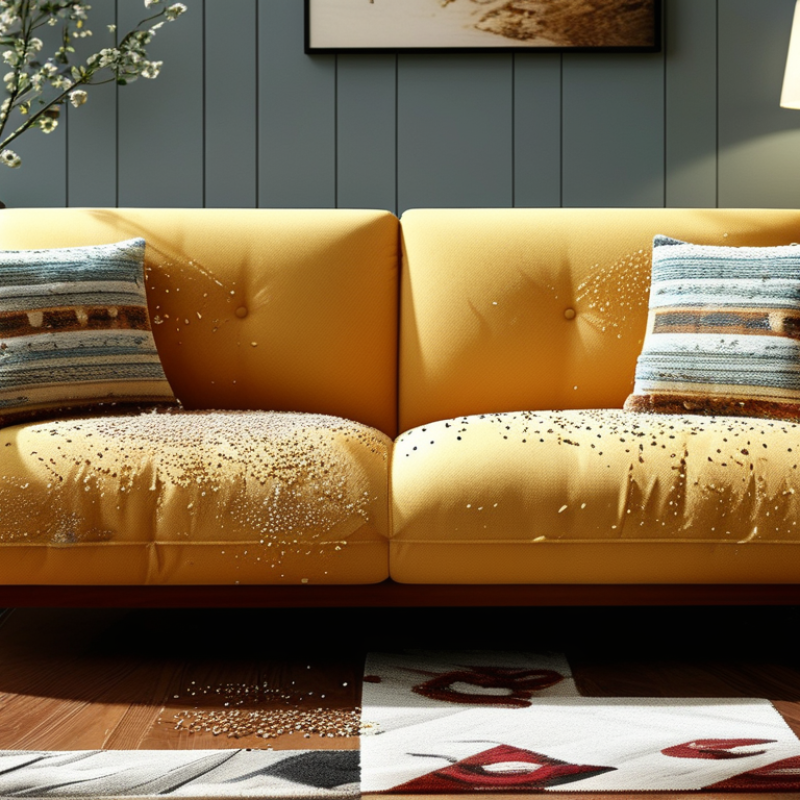
Common Causes of Sofa Odors: A Comprehensive Overview
Sofas are often the heart of our living spaces, but they can also become a source of unwanted odors. Common causes of these smells include spills, pet hair, and moisture.
Spills can create a breeding ground for bacteria, leading to unpleasant scents. A single drop of food or drink can seep into the fabric, causing the sofa to smell musty or sour over time.
Another factor is pet ownership. Fur, dander, and urine stains can linger, creating a persistent odor. Even if you clean regularly, it’s easy for these smells to build up. Moisture from the air or even from wet clothes can also cause mold growth, which is a serious concern. It’s essential to address these issues proactively to maintain a fresh environment.
To tackle sofa odors, consider regular vacuuming and upholstery cleaning. Using baking soda can absorb smells effectively. However, some cleaning methods may not be suitable for all fabrics, which can lead to damage. It’s important to test any solution on a small area first. Dealing with odors can be frustrating and may require multiple attempts. This reflects the reality of maintaining a clean, odor-free home.
Understanding Fabric Types and Their Impact on Smell Retention
Different fabric types can significantly influence how odors settle and persist in your sofa. Natural fibers, such as cotton and wool, can absorb moisture and odors more than synthetic ones. This means they may develop a smell more quickly, especially in humid conditions. For example, a cotton sofa can retain pet odors and food spills, making it crucial to clean it regularly.
On the other hand, synthetic materials like polyester may resist stains and smells better, yet they can still hold onto unpleasant scents if not maintained. The weave and density of the fabric also play a role. Tight weaves tend to trap fewer odors, while looser fabrics can allow smells to penetrate deeper. This variation can lead to frustration when trying to identify the source of a lingering odor.
Cleaning and maintenance are vital. Regular vacuuming helps remove debris and dust but might not eliminate smells embedded in the fibers. Spot cleaning stains is essential, but sometimes, a deeper clean is necessary. Using the right cleaning solutions can make a difference. Remember to test any product to ensure it won’t affect the fabric color or texture. Understanding your sofa's fabric type will empower you to take effective steps in odor elimination.
Effective Cleaning Techniques: Professional vs. DIY Solutions
Odors can linger in sofas for various reasons. Pets, spills, and general use can cause unpleasant smells. Addressing these issues requires effective cleaning techniques. You can choose between professional cleaning services or DIY methods.
Professional cleaning often uses advanced tools and powerful cleaners. They can target deep-seated odors and stains. However, it may be costly. DIY solutions can also be effective and are usually more budget-friendly. You could use vinegar, baking soda, or essential oils to eliminate smells.
Tips: Sprinkle baking soda on your sofa. Let it sit for a few hours to absorb odors. Vacuum it up for freshness. Another option is to mix equal parts water and vinegar in a spray bottle. Lightly mist your sofa and let it air dry. This technique can neutralize smells effectively.
While DIY methods may take longer, they offer a chance to bond with your furniture. Sometimes, attempting to clean a sofa can lead to accidental stains or damage. Always test a small area first. Be patient; results may vary.
Why Does My Sofa Smell and How to Eliminate Odors? - Effective Cleaning Techniques: Professional vs. DIY Solutions
| Cleaning Method |
Effectiveness |
Time Required |
Cost |
Additional Notes |
| Professional Cleaning |
High |
2-4 hours |
$$$ |
Deep clean, removes stubborn odors effectively |
| Baking Soda |
Moderate |
30 minutes + 2-3 hours rest |
$ |
Sprinkle on sofa, let sit, then vacuum |
| Vinegar Solution |
Moderate |
30 minutes drying time |
$ |
Mix with water, spray lightly, wipe clean |
| Steam Cleaning |
High |
1-2 hours |
$$$ |
Deep cleans and sanitizes |
| DIY Fabric Freshener |
Low |
5 minutes |
$ |
Mix essential oils with water, spray lightly |
Odor Neutralizing Products: What Works Best for Sofas
Sofas can absorb a variety of odors over time. Pets, spills, and even dust can contribute to an unpleasant smell. It’s crucial to address these odors with effective products designed for upholstery.
Identifying the source of the smell is the first step. This can help determine which neutralizing product will work best.
Baking soda is a popular choice for neutralizing odors. It’s simple: sprinkle it over the affected area and let it sit for a few hours. Then, vacuum it up.
This method is inexpensive and can work wonders.
Vinegar is another common household item that excels at eliminating strong odors. Mix it with water in a spray bottle and lightly mist the fabric. Allow it to air dry, and the smell of vinegar will dissipate, taking other odors with it.
For tougher cases, enzymatic cleaners can break down organic matter causing the smell. These are effective but require careful application to avoid damaging the fabric. Always test a small hidden area first.
Reflecting on these methods may lead you to consider regular maintenance. Sometimes, a deep clean or even professional assistance can make a significant difference. It's about finding the right approach that suits your sofa and lifestyle.
Prevention Strategies for Maintaining a Fresh-Smelling Sofa
Maintaining a fresh-smelling sofa requires consistent effort. One effective strategy is to perform regular cleaning.
Vacuum your sofa every week to remove dust and pet hair. Pay close attention to crevices where odors might hide.
Consider using an upholstery cleaner to tackle stains. Spot cleaning can help, but be careful not to over-saturate fabrics.
Another prevention method involves proper ventilation. Ensure your living space is airy. Open windows when weather permits.
Fresh air helps alleviate musty smells. You might add odor-neutralizing sachets under cushions. These simple additions can absorb unwanted smells without overpowering scents.
Lastly, think about what might be causing odors. Food spillage or pet accidents can lead to lingering scents.
Train pets to stay off the furniture, if possible. Be mindful of what you place on your sofa.
Drinks should, ideally, be kept at a distance. Reflect on your habits; sometimes, the problem lies in our daily choices.
FAQS
: Natural fibers, like cotton, absorb moisture and odors more than synthetic materials. This can lead to quicker odor development.
Synthetic materials, such as polyester, resist odors better but can still hold onto unpleasant scents without proper maintenance.
Tightly woven fabrics trap fewer odors, while looser fabrics allow them to penetrate deeper, making odor identification challenging.
Regular vacuuming removes dust but doesn’t eliminate embedded smells. Spot cleaning is essential, but deeper cleaning may be required sometimes.
Baking soda is effective; sprinkle it, let it sit, then vacuum. Vinegar mixed with water can also help eliminate strong odors.
Enzymatic cleaners break down organic matter causing smells. They require careful application to avoid damaging the fabric, so test first.
Reflecting on methods can lead to better maintenance practices. Sometimes, professional cleaning could be a worthwhile consideration.
Yes, always test cleaning products on a small hidden area to ensure they don’t affect the color or texture of the fabric.
Yes, natural fibers absorb odors more quickly, particularly in humid conditions, necessitating regular cleaning to manage smells.
Regular maintenance and cleaning are important. Neglect can lead to trapped odors, which may be challenging to eliminate.
Conclusion
Sofas can develop unpleasant odors for various reasons, prompting the question, "Why does my sofa smell and how to fix it?" Common causes include spills, pet accidents, and the accumulation of dust and dirt. Different fabric types also affect how odors are retained, making some materials more susceptible to lingering smells. To effectively address this issue, individuals can choose between professional cleaning services or DIY techniques, depending on the severity of the odor.
In addition to cleaning, utilizing odor neutralizing products can significantly help in eliminating smells and restoring freshness. Maintaining a clean and well-ventilated environment, along with regular upkeep, can prevent odors from returning. By understanding these elements and implementing proper cleaning and prevention strategies, sofa owners can ensure their furniture remains inviting and free of unwanted scents.
 Kado Home
