Sofas are essential pieces of furniture in our homes. They offer comfort and style. However, experiencing a squeaking noise can be frustrating. Many people wonder, "Why is my sofa making a squeaking noise?" According to a national survey by the American Home Furnishings Alliance, nearly 30% of consumers report issues with their upholstered furniture within the first five years of purchase. Squeaking can often indicate underlying problems.
Several reasons contribute to sofa squeaks. Loose screws, worn-out springs, or inadequate assembly can cause these annoying sounds. In fact, a report from the Furniture Industry Research Association suggests that insufficient maintenance is linked to 50% of furniture-related noises. Keeping your sofa in good condition requires regular checks.
Identifying the source of the squeak can be challenging. Sometimes, the sound is minor, but it can also signal more serious issues. Paying attention to these noises is crucial. Ignoring them may lead to larger repair costs down the line. Understanding the reasons behind the squeaks empowers homeowners. It allows for timely interventions and maintains the sofa's lifespan.
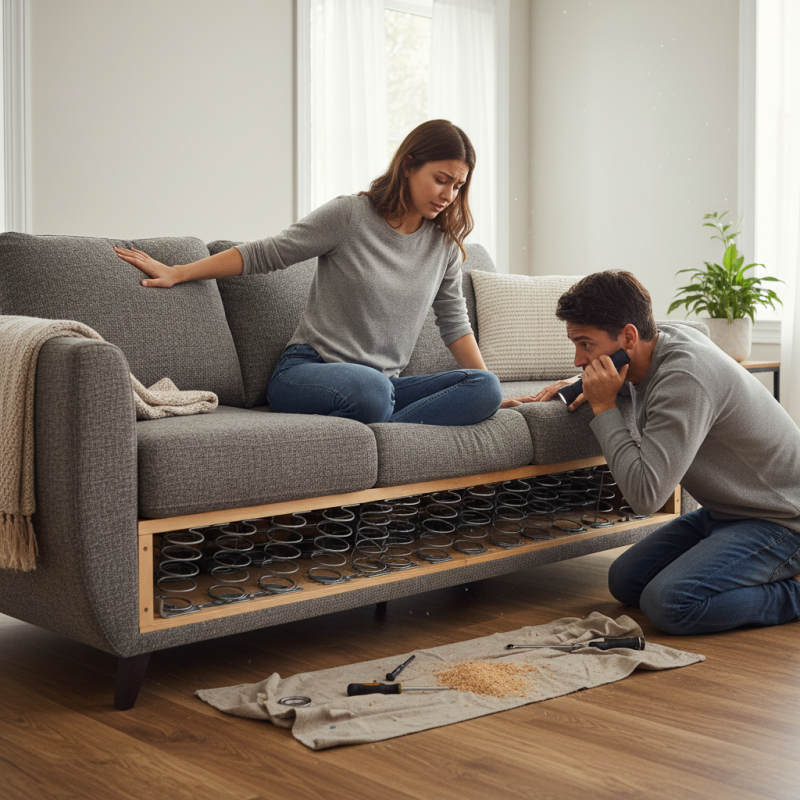
Understanding the Common Causes of a Squeaking Sofa
Squeaking sofas can be quite annoying, interrupting your relaxation time. Common causes often include
loose joints and worn-out springs.
Over time, the joints can become unaligned due to regular use. You may notice creaking sounds when you shift
your weight. This is a signal that it’s time to investigate.
Another common issue is the upholstery itself. If the fabric has become loose, it might rub against the frame
when you move. This can create an unsettling noise. Check for any wear or tears in the fabric. In some cases,
the stuffing may shift, leading to an uneven surface that can also contribute to squeaking.
To fix these issues, start by tightening bolts and screws on your sofa. Ensure that all joints fit snugly.
Use wood glue for any loose connections. For the fabric, consider repositioning or tightening it if possible.
While these fixes can help, it's essential to recognize that not all issues can be easily resolved.
Sometimes, deep-seated problems lie within the frame that may require professional attention.
Keeping your sofa in good shape is a process that demands regular inspection and maintenance.
Identifying the Type of Sofa and Its Construction
Identifying the type of sofa and its construction is crucial to addressing squeaking issues. Sofas come in various designs, such as wooden frame, metal frame, or even upholstered versions. Each type has distinct characteristics that affect noise levels. For instance, wooden frames often creak due to loose joints. Conversely, metal frames may squeak because of friction between parts.
Tips: Regularly inspect joints and screws. Tightening loose fittings will often solve the problem. Use wood glue for wooden frames to enhance stability. For metal frames, try lubricating squeaky joints with silicone spray.
Additionally, consider the cushion construction. Sofas with springs can develop noise over time. Overuse may weaken the springs, leading to squeaking sounds. If your sofa has down or foam cushions, the issue may lie in the frame itself. Inspect both the cushions and frame for wear and tear.
Tips: Rotate cushions to promote even wear. This can prevent excessive pressure on specific areas. Always check the seat and back support for signs of damage. Addressing the construction details of your sofa can lead to effective solutions for annoying squeaks.
Why is My Sofa Squeaking and How to Fix It?
Tools and Materials Needed for Sofa Repair
When dealing with a squeaky sofa, having the right tools and materials is essential. Start with a socket wrench set to tighten any loose screws. Sometimes, a simple adjustment can eliminate the annoying squeak. Additionally, a good wood glue can help secure any loose joints. You may need a rubber mallet to tap those stubborn pieces back into place, ensuring a snug fit.
Don’t forget about lubricants. Applying a silicone spray or WD-40 can be very effective on metal parts. However, be cautious to use it sparingly. In some cases, a felt pad can create a cushion between wooden elements, reducing friction and noise. Always check the fabric too; worn-out or loose sections can also contribute to squeaking.
Consider having a staple gun on hand. It can help you reattach any fabric that has come loose. While sewing might be an option, a staple gun is quicker. Over time, it's normal for sofas to need maintenance. Take the time to assess the structure often. If you still hear noises after repairs, it may be a sign of deeper issues within the frame.
Why is My Sofa Squeaking and How to Fix It? - Tools and Materials Needed for Sofa Repair
| Issue |
Possible Cause |
Tools Needed |
Materials Needed |
Fix Instructions |
| Squeaky Frames |
Loose joints or worn out screws |
Screwdriver, wrench |
Wood glue, new screws |
Tighten screws or apply wood glue to joints |
| Squeaky Springs |
Metal springs rubbing against each other |
Lubricant, spray can |
Fabric or felt pads |
Lubricate springs and place pads to reduce friction |
| Creaking Seat Cushions |
Cushions shifting over frame |
Staple gun |
Non-slip fabric or rubber mat |
Secure cushions with staples or use non-slip material |
| General Noise |
Wear and tear over time |
Screwdriver, pliers |
Wood glue, screws, fabric |
Inspect and tighten all screws; replace worn-out parts |
Step-by-Step Guide to Fixing a Squeaky Sofa
Squeaky sofas can disrupt your home’s comfort. Understanding the cause is key. Loose joints or springs often create those annoying sounds. According to a 2021 furniture survey, over 30% of respondents reported experiencing squeaky furniture. This issue is more common than you might think.
To fix a squeaky sofa, start by identifying the noise source. Tap different areas to pinpoint squeaks. If the sound comes from the frame, it may need tightening. Use a wrench to secure loose screws, ensuring each joint is firm. If springs are causing the sound, lubricate them with silicone spray. Avoid using oils, as they could attract dirt.
Tips: Regular maintenance can prevent squeaks. Check your sofa every few months. Tighten screws or bolts as needed. If the problem persists, consider professional help. They can provide expert solutions. Remember, every sofa has its quirks. Some may require more fixes than others, reflecting their unique history and wear. Balancing form and function is not always perfect. Adjust your expectations accordingly.
Preventative Measures to Avoid Future Sofa Noises
Squeaky sofas can be a nuisance, often disrupting your relaxation time. To prevent this issue,
regular maintenance is crucial. According to a survey by the
American Home Furnishings Alliance, 40% of furniture-related problems stem from improper care.
Simple actions can greatly reduce squeaks.
Regularly tightening screws and bolts should be part of your routine. This keeps the sofa structure stable.
Loose joints often cause those annoying sounds. In addition,
rotating cushions helps distribute weight evenly, preventing wear in specific areas. Detailed inspections every few
months can also help catch issues early.
Using coasters or pads on the floor can eliminate noise generated by movement. You can also consider applying
lubricants to joints, as untreated wood can become squeaky over time.
Professional estimates suggest that most sofa noise problems can be prevented with these measures.
Engage in periodic checks to ensure your sofa remains quiet and comfortable.
FAQS
: Look at the construction materials. Check if it's wooden, metal, or upholstered.
Loose joints often cause squeaking in wooden frame sofas. Regular inspections can prevent this.
Lubricate squeaky joints with silicone spray. This can reduce friction and noise.
Check the cushions and frame for wear. Rotating cushions may help distribute pressure evenly.
A socket wrench, wood glue, and silicone spray are essential. A rubber mallet can also help.
Routine assessments are important. Inspecting structure and fittings can prolong life and comfort.
Yes, worn-out or loose fabric can contribute to squeaking sounds. Check the fabric regularly.
Yes, a staple gun is quick for reattaching loose fabric compared to sewing.
Continuous squeaking may indicate deeper issues in the frame. Further inspection may be necessary.
Screws should be snug but not over-tightened. Over-tightening can cause material stress.
Conclusion
Squeaking sofas can be a frustrating issue for many homeowners, leading them to wonder, "Why is my sofa making a squeaking noise?" Understanding the common causes, such as worn-out springs, loose screws, or friction between different parts, is the first step in addressing this problem. Identifying the type of sofa and its construction will help you determine the appropriate methods for repair.
To fix a squeaky sofa, gather the necessary tools and materials, such as a screwdriver, wood glue, or lubricant. A step-by-step approach, including tightening bolts, replacing damaged components, and applying lubricant where needed, can effectively eliminate the noise. Implementing preventative measures, like regular maintenance and avoiding excessive weight on the sofa, can also help you avoid future squeaks and maintain the comfort of your seating.
 Kado Home
