Kado Home
Back pain can make an ordinary evening on the sofa feel surprisingly difficult. The World Health Organization reported that 619 million people worldwide experienced low back pain in 2020. It projects that cases could reach 843 million by 2050. A sofa cannot treat the underlying cause. But its seat depth, cushion firmness, and back support can affect how comfortably you sit.
So, Which sofa style is best for back pain relief? There is no universal winner. Physical therapist and spinal researcher Stuart McGill emphasizes changing positions rather than holding one posture for too long; this is a paraphrase of his guidance, not a verbatim quotation. That practical point matters when comparing a deep, soft sectional with a firmer sofa that supports your lower back. Your feet should reach the floor, and you should not have to slump to rest against the back cushion. Small details count. A rolled towel behind the waist may help you test the fit before buying.
The tips ahead focus on useful features, not miracle claims. They also leave room for a less comfortable truth: even a well-chosen sofa may feel wrong after hours of sitting. Move, adjust, and notice what your back tells you.
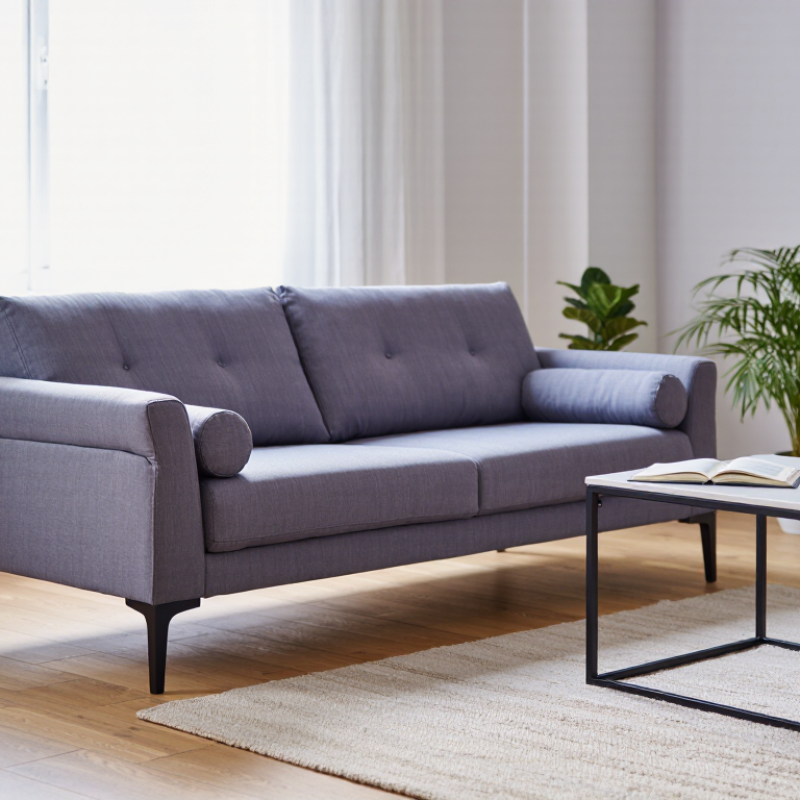
WHO’s 2023 fact sheet estimates that 619 million people had low back pain in 2020. That is a staggering figure. It shows how widely back pain can affect daily life, from sitting at a desk to getting out of bed. The estimate describes a global burden, not a prediction for any one person. Low back pain has many possible causes, so a sofa adjustment cannot diagnose or treat it.
Try these sofa tips: Sit with your feet resting flat, and use a small cushion or rolled towel behind your lower back if it feels comfortable. Choose a seat that lets you rise without twisting or pushing hard. Avoid sinking into one position for a long stretch; stand, walk, or gently change position from time to time. Small changes help. Comfort varies, and a cushion that helps one person may bother another.
Notice how your back feels during and after sitting, rather than relying on a perfect posture. A sofa is for rest, not a substitute for movement or professional care. If pain is severe, persistent, or worrying, seek advice from a qualified health professional. I still catch myself slumping when I’m tired; awareness helps, but it does not fix everything.
A sofa can feel welcoming and still make standing up difficult. For easier sitting, check how your body meets the seat, not just how soft the cushions feel. Your feet should rest flat on the floor, with knees near hip level. If your knees sit much higher, the seat may be too low. A firm cushion can help you rise, but “firm” should not mean hard or uncomfortable.
Tips: Sit all the way back and notice whether the cushion supports your thighs without pressing behind your knees. A seat that is too deep may leave your back unsupported; try a small cushion behind your lower back. If the seat is too shallow, your thighs may feel unsupported. Look for a cushion that gives slightly under your weight and returns to shape. Test it for several minutes, not just a quick perch.
Small adjustments matter. A folded blanket can temporarily raise a low seat, though it may shift, so check that it stays secure. Sofa dimensions vary, and comfort is personal; one measurement will not suit everyone. I might be tempted to choose the softest option, but sinking deeply can make getting up harder. If sitting regularly worsens your pain, or pain persists, ask a qualified health professional for individual guidance.
| Tip | What to Look For | Why It May Help | Quick Fit Check |
|---|---|---|---|
| 1. Choose a suitable seat height | A seat height around 17–19 in (43–48 cm) is a useful starting point; body proportions and cushion compression matter. | A seat that is too low can make standing up harder, while a very high seat may leave the feet unsupported. | Sit back with both feet flat on the floor and knees roughly level with, or slightly lower than, the hips. |
| 2. Check seat depth | Look for a depth that supports the thighs without pushing against the backs of the knees. About 20–22 in (51–56 cm) suits some adults, but fit is individual. | Excess depth can encourage slouching or leave the lower back unsupported; insufficient depth may not support the thighs comfortably. | With your back against the backrest, aim to leave roughly 2–3 finger-widths between the seat edge and the backs of your knees. |
| 3. Prefer supportive, stable cushioning | Try cushions that feel supportive and do not bottom out easily. “Medium-firm” is a starting point, not a universal ideal. | Very soft cushions can make it harder to maintain a comfortable position or get up; firmness preferences and needs vary. | Sit for several minutes and check that your hips feel supported without pressure or discomfort. |
| 4. Look for useful back support | Choose a backrest that supports your lower and upper back in a relaxed position. A separate lumbar cushion can help adjust a sofa that feels too flat. | Support behind the back may make it easier to avoid prolonged slumping, though no single backrest shape works for everyone. | Settle back without needing to lean forward or hold your trunk rigidly to feel supported. |
| 5. Avoid a seat that tilts you too far back | For everyday sitting, try a gently reclined backrest rather than an extremely upright or deeply reclined position. | A comfortable, supported posture is generally easier to sustain than a position that makes you brace or slide forward. | Check that your hips stay near the back of the seat and that you can change position without slipping. |
| 6. Make sure the armrests are usable | Armrests should let your shoulders relax, with your elbows resting comfortably near your sides. | Convenient armrests can provide support when sitting down or standing up; armrests that are too high may encourage shoulder tension. | Rest your forearms lightly without shrugging your shoulders or leaning heavily to one side. |
| 7. Keep movement easy | Choose a sofa that is easy to get out of and use it alongside regular position changes rather than sitting still for long stretches. | Comfortable movement and breaks can reduce time spent in one position. A sofa’s design alone cannot guarantee back-pain relief. | Try sitting down and standing up several times; consider a firmer cushion or an appropriate seat height if it feels difficult. |
Note: These measurements are general starting points, not medical rules. Personal comfort, body proportions, mobility, and the cause of back pain vary. Seek advice from a qualified health professional for persistent, severe, or worsening symptoms.
OSHA’s Computer Workstations eTool recommends supporting the back, keeping shoulders relaxed, and positioning elbows close to the body. Adapt that neutral-posture guidance when you work or read from a sofa. Sit back until your pelvis meets the cushion, then place a firm lumbar pillow at your lower back. It should fill the gap, not shove your ribs forward. Rest your forearms on armrests or stable cushions, with shoulders down and elbows near your sides. If your feet dangle, use a low footrest. Small changes matter. A sofa is not an office chair, and a pillow can slide; check your position after settling in.
The World Health Organization’s 2023 low-back-pain fact sheet estimates that 619 million people experienced low back pain in 2020. That figure describes a major global health burden, not proof that a particular sofa causes pain. Still, prolonged slouching can feel uncomfortable, so change position regularly and take brief standing breaks. Not magic. If armrests are too high, shrugging to reach them may add tension; lower your arms or add support beneath them. I would not treat cushion placement as a cure. Persistent, worsening, or concerning pain deserves advice from a qualified health professional.
A deep sofa can leave your feet dangling or your knees higher than your hips. That small gap may encourage you to slide forward and round your lower back. OSHA’s computer-workstation guidance recommends supporting the feet and keeping the body in a balanced position. A sofa is not an office chair, but the same idea can be useful at home.
Tip: Place a firm footrest under both feet. Aim for flat soles and knees close to hip level. If your knees sit too high, choose a lower support; if your feet still dangle, use a taller one. A stack of sturdy books can work temporarily, but check that it will not slip.
Notice how your body feels after ten minutes. Your thighs should feel supported, without pressure behind the knees, and your shoulders should stay relaxed. If the footrest pushes you toward the sofa’s edge, adjust its height or position. There may not be a perfect fit on a soft, sagging couch. That is worth noticing. Try a different cushion or sit somewhere firmer, and change positions regularly. Persistent or worsening back pain deserves guidance from a qualified health professional; furniture adjustments are not a substitute for care.
A sofa can feel comfortable at first, but one fixed posture may become tiring. Try changing positions before your back starts to ache. Sit upright for a while, then shift your hips or place both feet flat on the floor. If you lean back, keep your lower back supported with a small cushion. Comfort matters, but no single sofa posture suits everyone.
The World Health Organization recommends limiting sedentary time and replacing it with physical activity of any intensity. It does not set a universal interval for sofa breaks. A practical cue is to stand when a programme ends or after roughly half an hour. Walk to the kitchen, stretch gently, or simply stand by the window. A little movement counts. You might also alternate between sitting and standing during a phone call. I find reminders easy to ignore when a story gets engaging; that is worth noticing, not blaming yourself for. If a movement increases your pain, stop and try something gentler. For persistent or worsening back pain, seek advice from a qualified health professional.
WHO guidance: Adults should aim for 150–300 minutes of moderate-intensity aerobic activity, or 75–150 minutes of vigorous-intensity activity, per week. WHO advises limiting sedentary time but does not set a specific daily sitting-time limit. These activity recommendations are not a sitting-time target; changing positions and taking movement breaks can help vary time spent on the sofa.
Source: WHO Guidelines on Physical Activity and Sedentary Behaviour.
The 2023 fact sheet estimated 619 million people. That figure describes a global burden, not one person’s outlook.
Rest your feet flat on the floor. Try a small cushion or rolled towel behind your lower back if it feels comfortable.
Look for a seat that lets your feet rest flat, with your knees near hip level. A very low seat may make rising harder.
Sit all the way back. If the cushion leaves your back unsupported, try a small cushion behind your lower back.
Not necessarily. Deeply sinking cushions can make standing harder. A cushion should give slightly and return to shape.
Sit for several minutes, not just a quick perch. Notice whether the seat supports your thighs without pressing behind your knees.
Stand, walk, or gently shift position from time to time. Small changes help. A sofa is not a substitute for movement.
If pain is severe, persistent, or worrying, seek advice from a qualified health professional. Sofa adjustments cannot diagnose the cause.
No. Comfort varies, and a cushion that helps one person may bother another. I still slump when tired; awareness does not fix everything.
Low back pain affects a vast number of people: the WHO’s 2023 fact sheet estimates that 619 million people experienced it in 2020. Choosing a supportive sofa can make everyday sitting more comfortable. Which sofa style is best for back pain relief? Look for a seat with a height that lets you sit down and stand up easily, a depth that supports your thighs without pressing behind your knees, and cushioning that feels firm enough to keep you from sinking too deeply.
A supportive setup matters as much as the sofa itself. Add lumbar support to help maintain your lower back’s natural curve, and use armrests to support your arms while keeping your shoulders relaxed, in line with OSHA’s neutral-posture guidance. If your feet do not rest flat on the floor, use a footrest so your knees stay near hip level. Finally, avoid staying in one position for too long: shift your posture and take regular opportunities to stand or move, consistent with WHO guidance to limit sedentary time.
