Kado Home
Choosing a sofa color can feel daunting. It's a central piece in your living space. Opting for a timeless hue ensures your decor remains stylish for years. This guide explores how to choose a sofa color that won't go out of style.
Classic colors like gray, beige, and navy can make any room feel sophisticated. Bright colors may catch your eye, but they may fade in popularity. Sofas are a big investment. It's essential to consider how trends can shift.
Think about your lifestyle and the mood you want to create. Patterns may feel lively but can become outdated quickly. The best choices reflect your personal style while being versatile. Remember, even a classic can feel overdone if not balanced correctly. Consider these elements carefully. You want not just fashion, but long-lasting comfort and beauty.
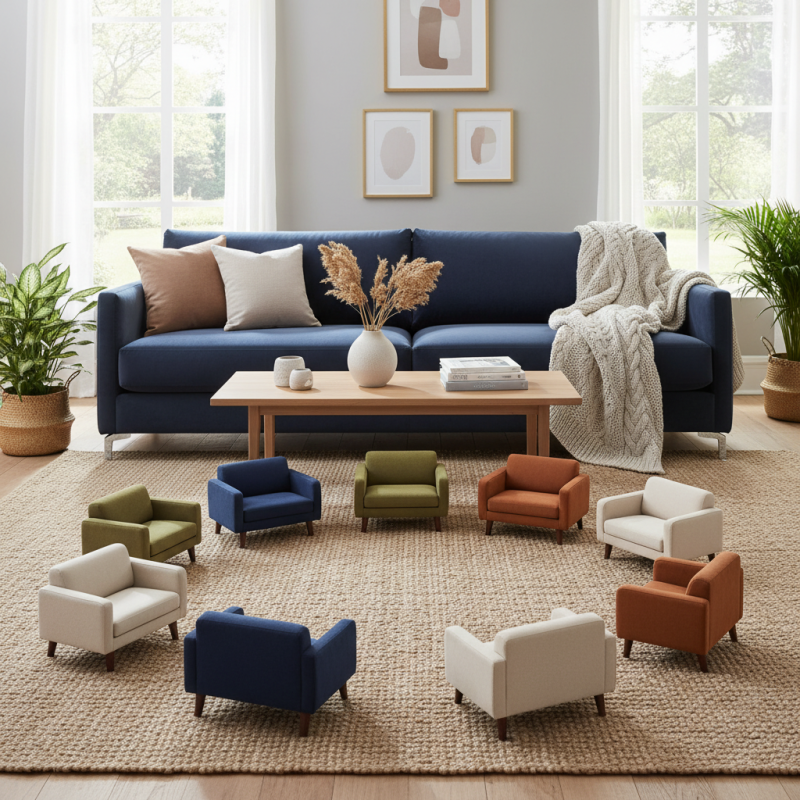
When it comes to choosing a sofa color, classic neutrals like
white and
beige stand out as timeless choices. These shades create a sense of calm and elegance in any room. A
white sofa can make a space feel airier and brighter. It reflects light beautifully and pairs well with various decor styles,
from minimalist to rustic. However, maintaining a pristine white sofa requires careful attention to spills and stains.
Regular cleaning is a must; otherwise, it can easily lose its appeal.
Beige, on the other hand, offers warmth while remaining neutral. This color can harmonize with a range of palettes, allowing for flexibility in decoration. A
beige sofa serves as a canvas for vibrant cushions or throws, adding character without overwhelming the space. Yet,
beige can sometimes feel bland if not styled thoughtfully. It’s essential to incorporate textures and patterns to create
visual interest. While these classic neutrals hold enduring popularity, they require a commitment to care and creativity in styling.
Embracing their simplicity is key to ensuring they remain a stylish choice.
Deep blue sofas bring a distinctive charm to any living space. Their rich hue evokes calmness and stability. This color has a timeless quality, making it a popular choice for various design styles. Whether your home leans towards modern or traditional aesthetics, deep blue fits seamlessly.
In a world dominated by trends, deep blue remains a steadfast option. It pairs wonderfully with neutral tones, offering a stunning contrast. Accents like throw pillows or blankets can enhance its beauty. Picture a deep blue sofa alongside warm wooden furniture. It creates a cozy yet sophisticated atmosphere.
However, choosing deep blue isn't without challenges. The color can darken a small room, making it feel cramped. It's essential to balance it with lighter elements. Large windows or light-colored decor can help maintain an open feel. Embracing deep blue requires thought and planning, but its enduring appeal is worth the effort.
Earthy tones have become a popular choice in interior design. Greens and browns are not just colors; they bring a sense of nature indoors. A green sofa can evoke feelings of serenity. It creates a backdrop that invites relaxation and comfort. Choosing the right shade of green is essential. Olive or sage can enhance a space’s warmth.
Brown, with its depth and richness, also plays a significant role. It adds a classic touch to any room. A chocolate brown sofa offers versatility. It pairs beautifully with various color palettes and decor styles. Combining green and brown can create a cohesive look. This pairing ensures a timeless and elegant environment.
When selecting earthy tones, consider lighting. Different shades may appear unique under various lights. Testing fabric swatches in your home can help. Reflect on your lifestyle, too. A light sofa might seem fresh but may not hold up well to stains. Embracing these tones can lead to a space that feels grounded and inviting. However, balance is key. Too many earth tones can feel heavy. Use accents to break up the palette.
Gray sofas have emerged as a sophisticated choice in home decor. Their versatility allows them to adapt to various styles. You can pair a gray sofa with bold cushions or light pastel tones. This creates a space that feels both modern and inviting. The subtlety of gray makes it a perfect backdrop for artistic accents.
When selecting a gray sofa, consider the undertones. A warm gray can complement earthy tones, while a cool gray pairs well with blues. This attention to detail can elevate your living area’s aesthetic. Contrast is key. Mixing textures, like leather and fabric, can add depth. Play with different shades of gray for a unique appeal.
**Tips:** Test your color choices with swatches. Light changes the perception of colors. Ensure your gray sofa reflects your intended vibe. Also, assess the size of the room. A sprawling gray sofa may overwhelm a small space. Be open to adjusting your choices until it feels just right. Always reflect on your style preferences; this will guide your decisions.
| Color | Popularity (%) | Style Type | Maintenance Level |
|---|---|---|---|
| Gray | 30% | Modern | Low |
| Beige | 20% | Classic | Low |
| Navy Blue | 15% | Contemporary | Medium |
| Charcoal | 10% | Industrial | High |
| White | 5% | Minimalist | High |
| Brown | 10% | Rustic | Medium |
| Emerald Green | 5% | Eclectic | Medium |
| Burgundy | 2% | Traditional | Medium |
| Pastel Pink | 3% | Romantic | Low |
Red and yellow can bring warmth and vibrancy to any room. Choosing the right time to use these colors is essential. Red often evokes feelings of passion and energy. It can create a dynamic focal point in a living space. For example, a deep burgundy sofa paired with neutral accessories can make a statement without overwhelming the room.
Yellow, on the other hand, evokes happiness and cheerfulness. It’s perfect for a lively and inviting environment. Consider a golden yellow sofa in a sunlit room. It can enhance light and create an uplifting atmosphere. However, it’s important to balance yellow with softer tones. If overdone, yellow can feel too bright and distracting.
When selecting red or yellow, think about your overall decor. Test swatches against existing furnishings. Sometimes, a bold color choice may not blend as well as anticipated. Use accents like pillows or throws to incorporate these colors in a more subtle manner. This approach allows flexibility in changing your decor without major overhauls. Be willing to adapt your design choices based on how these colors interact with your space.
: They create a calm, elegant atmosphere and pair well with many decor styles.
It reflects light and makes spaces feel airy and bright.
Regular cleaning is necessary to prevent stains and keep it appealing.
Beige adds warmth and works with various color palettes and styles.
Incorporate colorful cushions and throws for character and visual interest.
Deep blue evokes calmness and stability, adding a timeless quality.
Balance it with lighter elements to avoid a cramped feel.
They bring a sense of nature indoors and create a calming environment.
Lighting can change how colors appear, affecting your final choice.
Use accents to break up the palette and maintain balance.
When considering how to choose a sofa color that won't go out of style, it's essential to explore a range of timeless options. Classic neutrals like white and beige provide a versatile base that complements any decor, ensuring a lasting appeal. Meanwhile, bold colors such as deep blue can add a sophisticated touch and remain a statement piece for years to come.
Additionally, earthy tones like green and brown can infuse your space with warmth and elegance. Gray sofas have grown in popularity due to their sleek and modern vibe, making them a favored choice for various interior styles. For those looking to make a vibrant statement, incorporating red or yellow as accent colors can add personality without overwhelming the space. Ultimately, selecting from these enduring color palettes ensures your sofa remains stylish for years to come.
