Kado Home
A sofa may look simple: four legs, a frame, cushions, and fabric. Yet two similar-looking models can carry very different price tags. Why do sofa prices vary so much? The answer often sits beneath the upholstery—in frame materials, spring systems, foam density, stitching, and the hours needed to assemble each piece. Delivery, retailer margins, and customization can add more. Some differences are easy to see. Others are hidden inside the cushions.
Industry data offers useful context, but it needs careful reading. Grand View Research’s Home Furniture Market report estimated the global market at about $537.7 billion in 2022. That figure describes a broad industry, not the price of an individual sofa. The U.S. Bureau of Labor Statistics tracks “furniture and bedding” in its Consumer Price Index, giving shoppers a way to follow category-level price changes. It does not separate every sofa feature or explain why one model costs more than another. That gap matters.
This guide looks at the practical details behind the sticker price: solid wood versus engineered frames, foam and cushion construction, upholstery choices, and the difference between mass-produced and made-to-order furniture. A showroom label rarely tells the whole story. And a higher price is not automatic proof of better quality. Compare specifications, warranty terms, and care instructions before deciding; even careful comparisons have limits when brands describe materials differently.
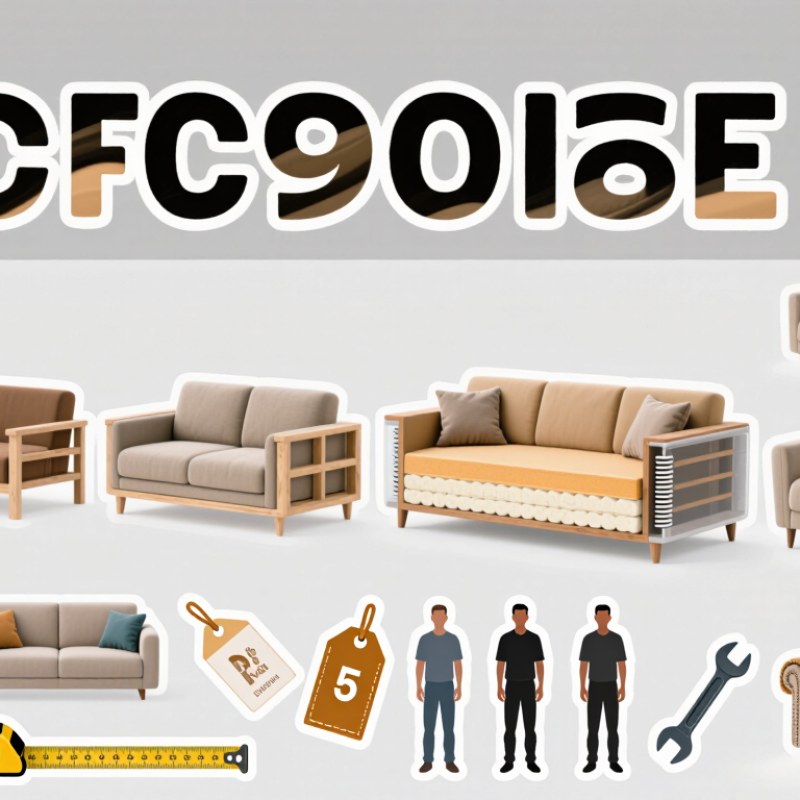
Top Reasons Why Sofa Prices Vary So Much?
What Determines a Sofa’s Base Price?
A sofa’s base price reflects the materials and work inside it. Two models can look nearly identical but have very different frames, springs, and cushions. A sturdy hardwood frame with reinforced joints often costs more than a basic engineered-wood frame. That difference is not always visible. Cushion foam density and suspension also affect support and how quickly seats may sag.
Upholstery adds another layer of cost. Durable, tightly woven fabrics may cost more than simpler materials, while leather prices vary by type and finish. Larger sofas use more fabric and filling, and deep seats may need extra support. Detailed stitching and hand-fitted cushions take more labor, too. Shipping and local production costs can also shape the final price. Price alone tells little.
Tips: Ask what the frame, cushion core, and suspension are made of, and compare those details across sofas. Sit in each one for several minutes; a quick showroom test can mislead. Check seams and cushion recovery, but remember that one inspection cannot predict every year of use. Comfort is personal, and I’d reflect on how you actually sit at home before paying extra for a feature that only looks appealing.
Estimated share of a sofa’s base manufacturing cost by component
Upholstery choice, labor, and cushioning can make up a substantial share of a sofa’s base cost. Frame materials, construction quality, finishing, and factory overhead also affect the price. These figures are illustrative estimates; actual cost shares vary by sofa design, materials, production method, and region.
Materials influence a sofa’s price through their purchase cost, processing, and expected wear. A tightly woven fabric usually costs more than a basic polyester blend, especially when its fibers resist stains or fading. Feel the swatch, but inspect it closely too. A smooth surface can hide loose weaving that may snag on clothing or pets’ claws. Leather prices vary with hide quality, thickness, and finishing; cheaper options may show uneven color or wear sooner. These differences are not always obvious in a showroom.
The frame and cushions matter just as much. Kiln-dried hardwood can resist warping better than low-grade, untreated wood, while quality plywood may offer dependable support at a different price point. Cushion foam with greater density often keeps its shape longer, though it may feel firmer at first. Down or fiber blends can feel softer, but may need regular plumping. That trade-off is easy to underestimate. Material labels alone do not tell the whole story; seams, cushion construction, and how the sofa will be used also affect value. A family sofa facing daily use needs different priorities than a seldom-used guest-room piece. And honestly, the most expensive fabric is not automatically the right one.
A sofa’s price often reflects what sits beneath the fabric. A kiln-dried hardwood frame, reinforced corner blocks, and secure joints can resist wobbling through years of daily use. Thinner panels or weak fasteners may loosen sooner, even when the upholstery looks similar. Still, a high price alone does not prove better construction. Ask what the frame is made from and how its joints are secured.
Tips: Lift one front corner gently; a sturdy frame should feel stable, not twist sharply. Press the seat and listen for squeaks. Check seams, cushion zippers, and whether cushions can be flipped or replaced. Small details matter. But showroom tests cannot predict every home’s wear.
Craftsmanship also affects comfort over time. Even stitching, aligned patterns, and evenly filled cushions can indicate careful assembly. Seat suspension, such as webbing or springs, changes how support feels and how quickly it may sag. Foam density, cushion layers, and fabric choice also influence durability. Compare specifications rather than relying only on a soft first impression. Some details are hard to judge during a brief visit, and that uncertainty is worth admitting. Choose based on visible construction and the way you actually sit.
Sofa prices often rise when design demands more labor. A curved back, deep channel stitching, or tightly fitted slipcover takes longer to build than a simple, squared frame. Modular sofas can also cost more because each section needs stable connectors and careful alignment. Small details matter. Even a neat row of buttons adds handwork.
Features affect both comfort and durability. High-resilience foam usually keeps its shape longer than softer, lower-density filling, though comfort depends on the person sitting there. A kiln-dried hardwood frame may resist warping better than some less stable materials, but construction quality still deserves a close look. Adjustable headrests, storage compartments, and reclining mechanisms add parts that can wear or need repair. More features do not always mean better value. That is easy to forget in a showroom.
Tips: Compare the frame, cushion filling, and fabric grade before comparing prices. Sit on the sofa for several minutes; check whether the seat feels supportive and whether cushions recover after you stand. Ask how covers are cleaned and whether components can be replaced. Specs help, but they cannot fully predict how a sofa will feel after years of use.
Sofa prices reflect more than fabric and frame. A retailer’s cost includes materials, labor, shipping, showroom space, and after-sales service. The U.S. Bureau of Labor Statistics reported that its furniture and bedding consumer price index rose 8.8% in 2022. That increase helps explain why similar-looking sofas may carry higher prices after a period of rising costs. It does not mean every sofa rose by the same amount. Small details matter: a kiln-dried hardwood frame, tightly woven upholstery, and replaceable cushions can require more skilled work and better inputs. Yet a high price alone cannot prove better construction.
Market conditions also shape the price tag. Drewry’s World Container Index recorded shipping rates above $10,000 per 40-foot container at its 2021 peak, then showed a steep decline in the following years. Freight shifts can affect imported fabric, foam, and finished furniture, though retailers may adjust prices slowly. Brand positioning adds another layer. A company may charge more for local production, longer warranties, design development, or a larger service network. Those costs can be real, but the value is not always obvious from a product page. I still find comparisons imperfect: two sofas can list the same fabric category while differing in fabric weight, cushion density, or frame joinery. Ask for those specifications, and compare delivery and warranty terms before judging price.
The frame, suspension, cushion filling, upholstery, and labor all contribute. Two similar-looking sofas may have very different construction. Looks can deceive.
Kiln-dried hardwood and reinforced joints often cost more than basic engineered wood. Quality plywood can also provide dependable support. Ask what is inside the frame.
No. Higher-density foam may hold its shape longer, but can feel firmer at first. Down or fiber blends feel softer and may need regular plumping. Comfort is personal.
Fabric prices vary with durability, weave, and resistance to fading or stains. Leather costs depend on hide quality, thickness, and finish. Check a swatch closely; smooth fabric can still snag.
Curved backs, channel stitching, and fitted slipcovers often require more labor. Even a neat row of buttons adds handwork. Small details matter.
Not necessarily. Reclining parts, adjustable headrests, and storage compartments add components that may wear or need repair. More features do not always mean better value.
Larger sofas use more fabric and filling. Deep seats may also need extra support, while shipping and local production can affect the final price. Price alone tells little.
Ask about the frame, cushion core, suspension, and fabric. Sit for several minutes, then check whether cushions recover after you stand. A quick test can mislead.
No inspection can guarantee how a sofa will age. Check seams and ask whether covers or components can be replaced. I might still overvalue a feature that only looks appealing.
Why do sofa prices vary so much? The final cost reflects more than a sofa’s size or appearance. Its base price is shaped by factors such as dimensions, frame design, and the amount of labor required. Materials also make a substantial difference: upholstery, cushioning, and frame components can vary in durability, comfort, and cost.
Construction quality and craftsmanship influence how well a sofa holds up over time, while details such as adjustable parts, storage, custom finishes, or distinctive designs can add to the price. Market conditions, production methods, shipping, and a seller’s positioning may further affect what shoppers pay. Comparing sofas by materials, construction, features, and expected use—not just by their initial price—can help buyers understand the differences and choose an option that fits their needs and budget.
