Kado Home
Kado Home
Kado Home
In the contemporary landscape of global furniture manufacturing, the shift from traditional assembly lines to Intelligent Manufacturing (Industry 4.0) has redefined quality standards. For businesses sourcing high-end seating, highchairs, and home furnishings, understanding the intersection of ergonomic design and industrial scale is critical.
Global procurement teams are moving beyond mere price-point evaluations. The modern B2B buyer prioritizes Total Cost of Ownership (TCO), which includes supply chain resilience, material compliance (VOC, REACH, CARB P2), and local logistics efficiency. As we analyze the top furniture factories globally, we see a clear trend: the integration of vertical supply chains—from raw material processing to final product testing.
The roadmap for successful furniture production involves three pillars:
Foshan Kado Home Co., Ltd., founded in 2006, serves as a prime example of operational excellence in the modern furniture industry. What started as a small workshop has transformed into a global powerhouse, demonstrating how scalability meets artisanal quality.
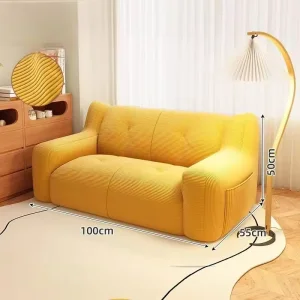
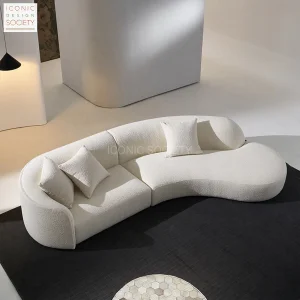
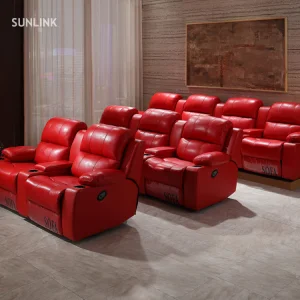
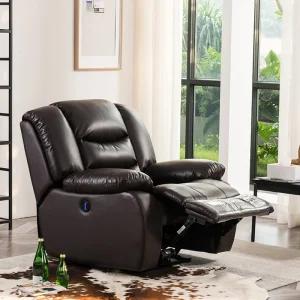
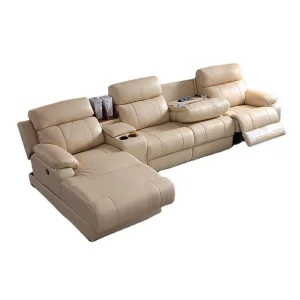
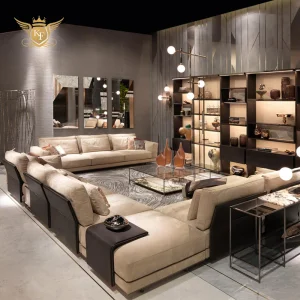
Kado Home’s core values—Craftsmanship, Sustainability, Customer-Centered Design, and Global Presence—align with the needs of international retailers and distributors. Their ability to blend Eastern craftsmanship with Western design sensibilities creates a unique market positioning, ensuring that every product—be it a living room sofa or a specialized chair—meets international aesthetic and structural expectations.
Look for factories with established quality management systems (ISO 9001), documented testing capabilities for international standards (ASTM/EN), and a transparent supply chain. It is also vital to assess their R&D capacity to handle custom design requests.
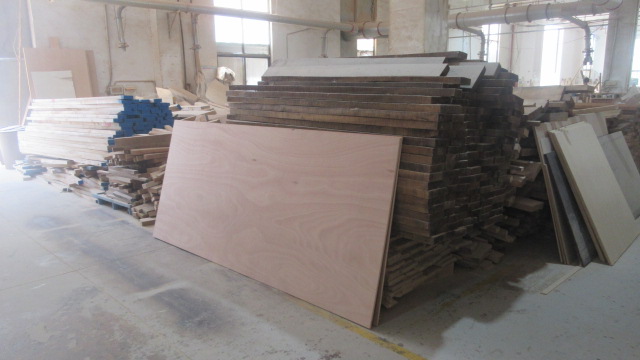
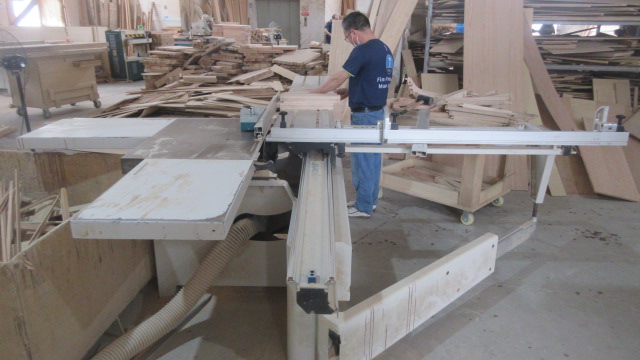
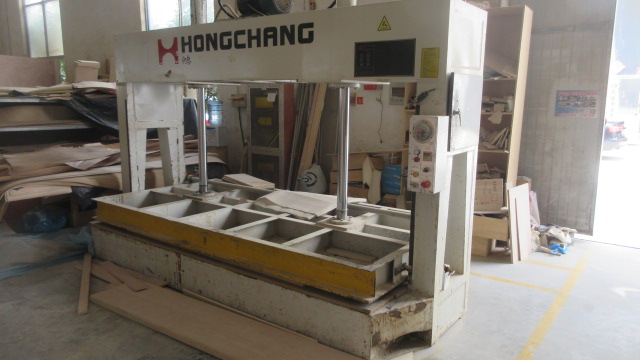
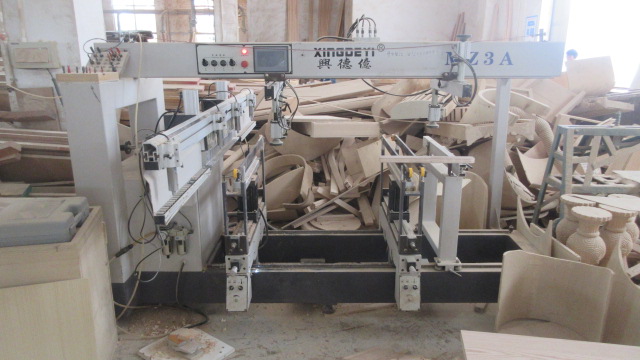
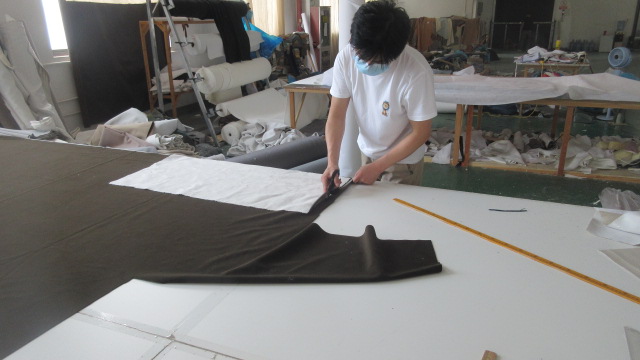
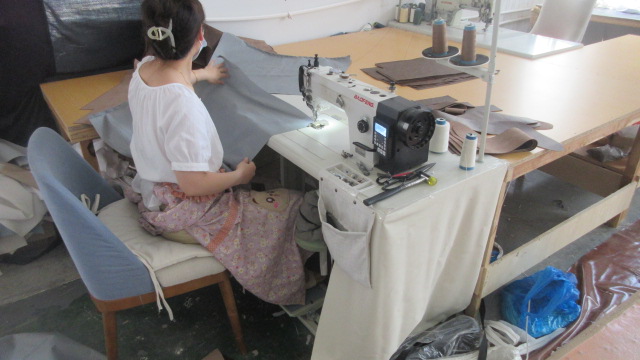
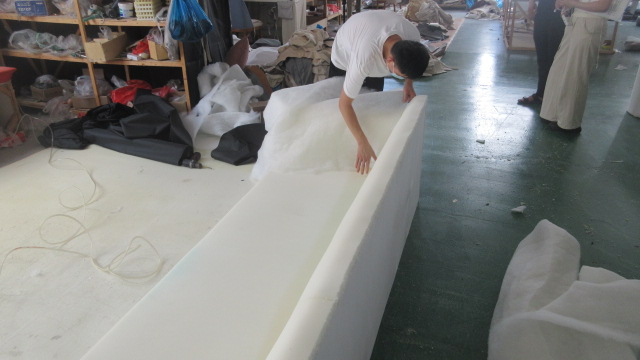
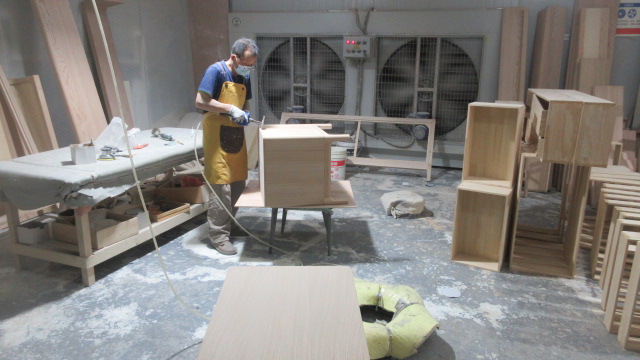
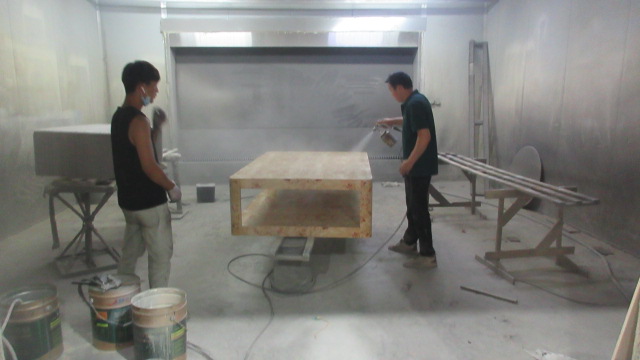
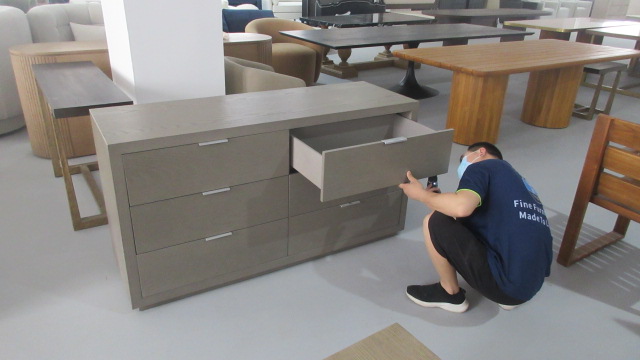
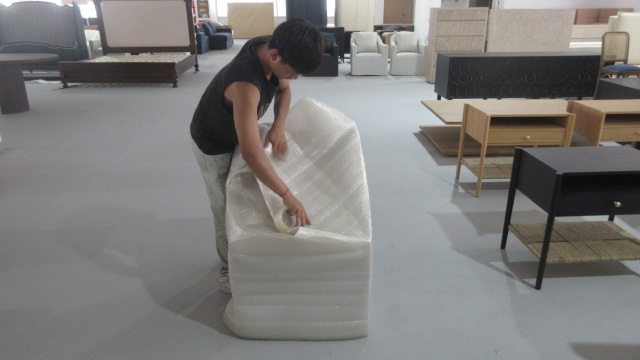
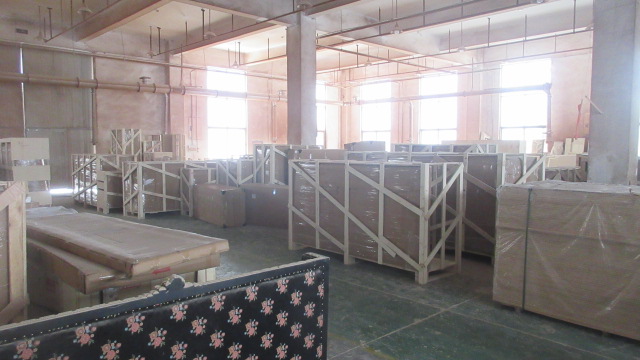
Through a rigorous multi-stage QC process covering everything from material sourcing to final packaging. They utilize a large-scale industrial park with specialized departments for cutting, sewing, and assembly, ensuring consistency.
Different markets have varying safety standards, aesthetic preferences, and logistical requirements. A competent factory must provide localized support, compliance documentation, and optimized packaging solutions (e.g., compressible designs for lower freight costs) to succeed globally.