Kado Home
Kado Home
Kado Home
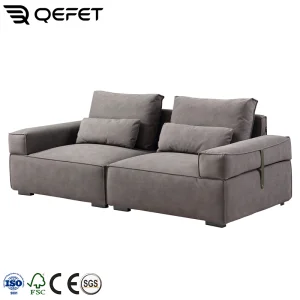
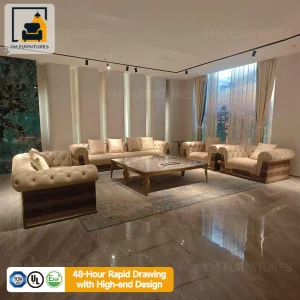
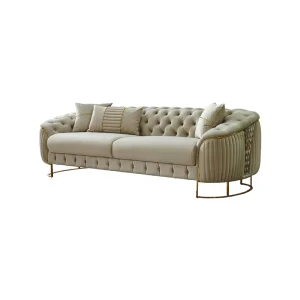
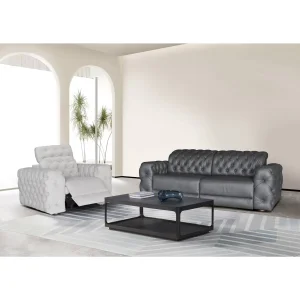
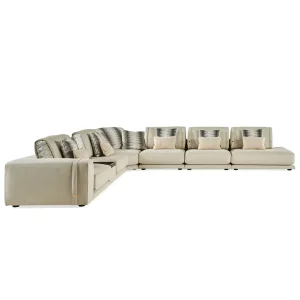
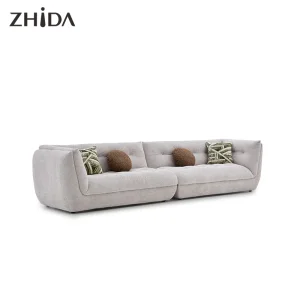
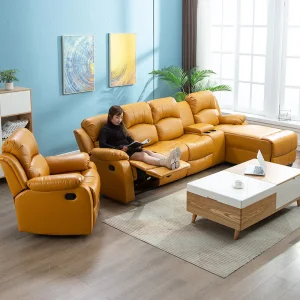
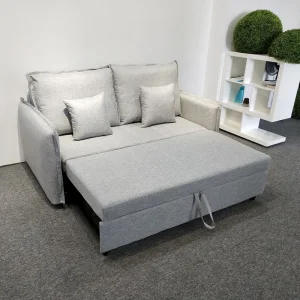
Explore our top-tier furniture selections engineered to pair seamlessly with corporate writing desks for optimal postural balance and task performance.
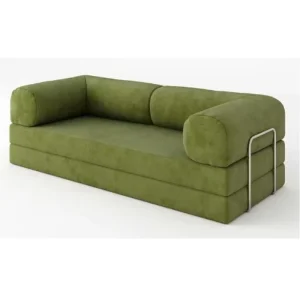
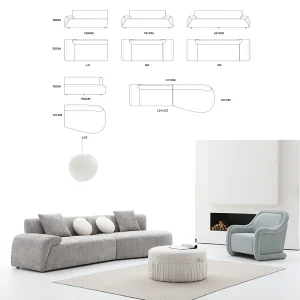
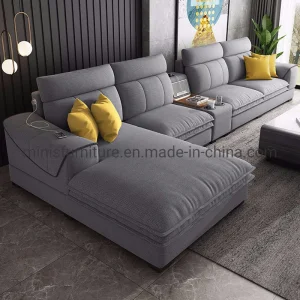
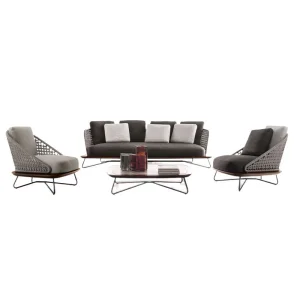
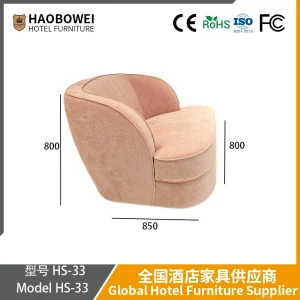
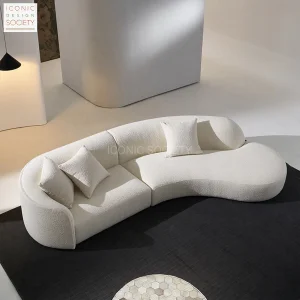
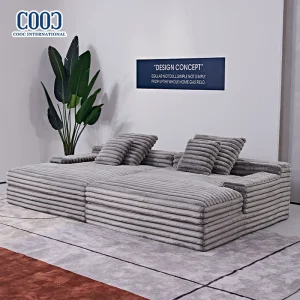
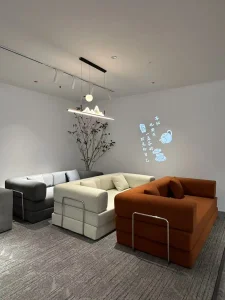
The global writing desk market is undergoing a structural paradigm shift driven by the hybridization of work models, ergonomic imperatives, and B2B sustainability mandates. Today, a writing desk is no longer evaluated as a simple piece of utilitarian wooden furniture. Instead, it is analyzed as a crucial interaction node within the broader context of ergonomics, physiological health, and space optimization. Corporate buyers, office developers, and international furniture distributors require holistic configurations that unify robust desks with specialized ergonomics.
In modern commercial office planning and home study systems, writing desks are increasingly coupled with adaptive, high-performance soft seating. This synergy prevents static posture fatigue, a leading cause of work-related musculoskeletal disorders (MSDs). Consequently, leading suppliers have diversified their manufacturing capabilities, integrating advanced steel-frame stability with compression-molded cushioning and sustainable materials. B2B decision-makers now evaluate supply chains not only on structural performance but also on modular flexibility and carbon-neutral production pathways.
Navigating the global landscape of writing desk suppliers requires an understanding of regional supply chains. Sourcing managers focus heavily on stability, environmental certifications, and logistical efficiency. A premier OEM/ODM supplier must possess the capacity to execute large-scale, customized production runs while offering flat-packed, knock-down (KD) configurations. Flat-packing optimizes container volume, significantly reducing transatlantic shipping costs—a paramount concern in the current maritime freight environment.
B2B buyers, institutional procurement agents, and contract furniture dealers utilize highly formalized assessment protocols when qualifying potential manufacturers. Selecting a partner from the global catalog of writing desk suppliers involves auditing several operational layers:
A premium desk must withstand extreme physical stresses over years of continuous operation. Commercial-grade writing desks are subject to ANSI/BIFMA X5.5 (for desk products) and ANSI/BIFMA X5.9 (for storage units) testing. These protocols verify weight-bearing thresholds, structural deflection, and cyclic durability of drawers and glides.
Low-emission engineered wood substrates (CARB Phase II or EPA TSCA Title VI certified MDF/particle board) are crucial for commercial indoor environments. Sustainable wood-grain laminates, impact-resistant ABS edges, and powder-coated steel underframes form the foundation of premium commercial furniture.
Enterprise buyers demand custom cable management trays, built-in wireless charging pads, structural cutouts, and specialized powder-coat finishes. Tier-1 suppliers provide CAD/BIM modeling resources during design development to facilitate seamless architectural planning.
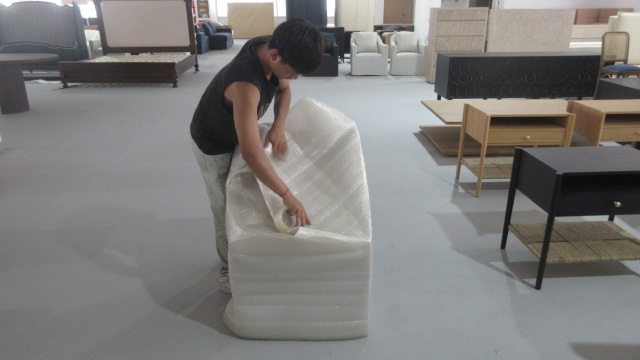
Suppliers must optimize packaging volume. High-density, drop-tested carton designs with molded corner protectors reduce freight damage rates to below 0.5%, yielding substantial cost savings in logistics and replacement coordination.
The global office furniture supply chain relies heavily on advanced industrial hubs, particularly within China's key manufacturing zones. Foshan, known as the global furniture capital, represents the peak of this manufacturing capability. Chinese Factory 4.0 operations combine deep material integration with automated production technologies.
By utilizing automated CNC board routers, automated edge-banding machines, robotic laser welders, and environmentally friendly powder coating lines, Chinese factories maintain strict control over manufacturing tolerances. This automation ensures consistency across production runs of thousands of units. Furthermore, localized supply networks—where raw steel, eco-friendly MDF, structural hardware, and upholstery materials are sourced within a 50-kilometer radius—mitigate supply chain disruptions and shorten lead times.
Foshan Kado Home Co., Ltd., founded in 2006, emerged from the passion and vision of an entrepreneur who sought to create a brand that combined quality, design, and accessibility. From a humble beginning as a small furniture shop in Foshan, we have grown into a global home furnishings enterprise. Our commitment to blending Eastern craftsmanship with Western design sensibilities has been the foundation of our success. Today, that legacy continues to drive everything we do, from product development to the partnerships we cultivate worldwide.
Over the years, Kado Home has grown into a formidable presence in the global home furnishings market. Our 100,000 m² industrial park, 20,000 m² smart warehouse, and 50,000 m² flagship showroom are symbols of this remarkable journey. Yet, at the heart of all our achievements lies an unwavering focus on human-centric design—where quality and creativity meet to create spaces that are as functional as they are beautiful.
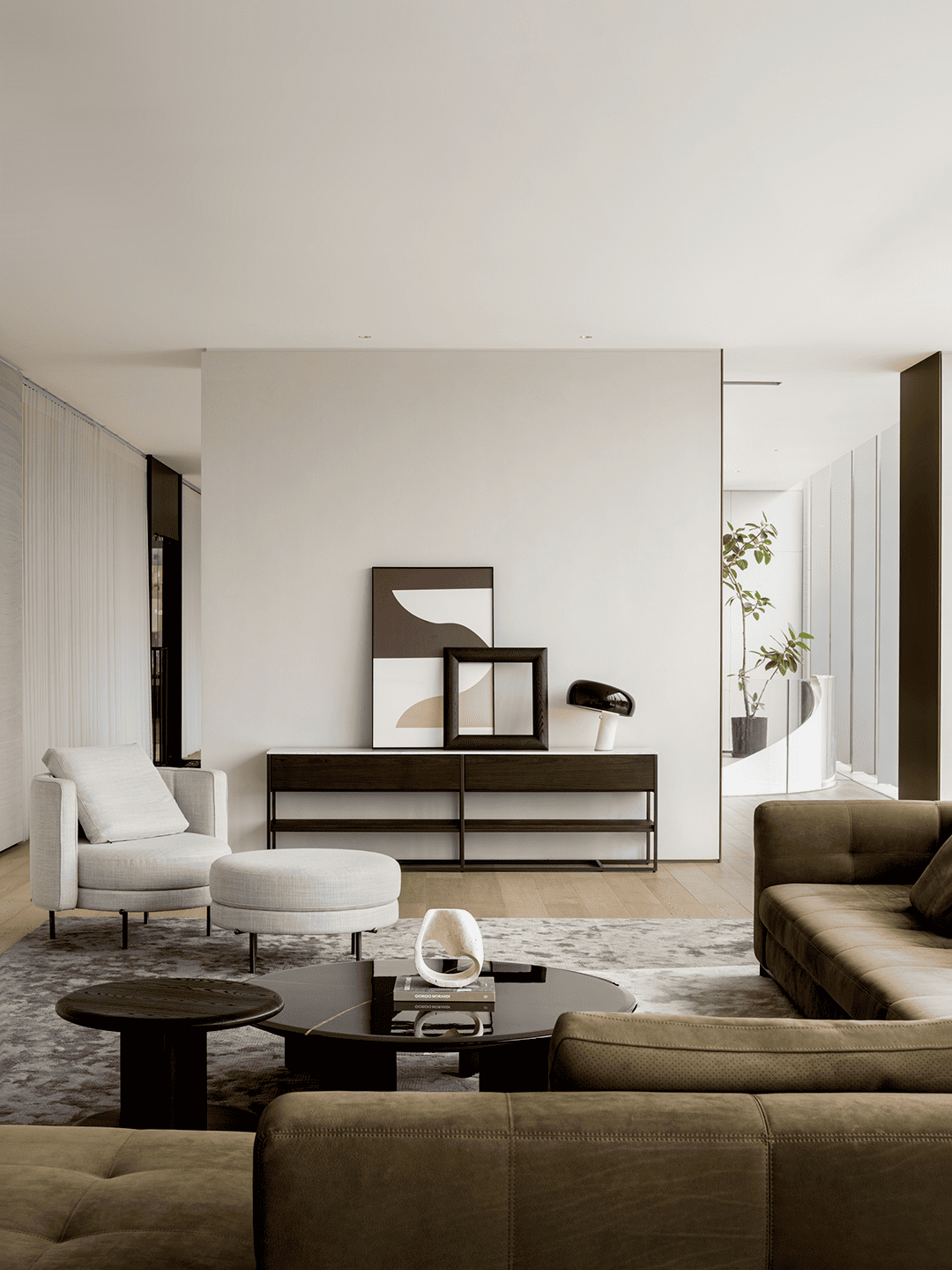
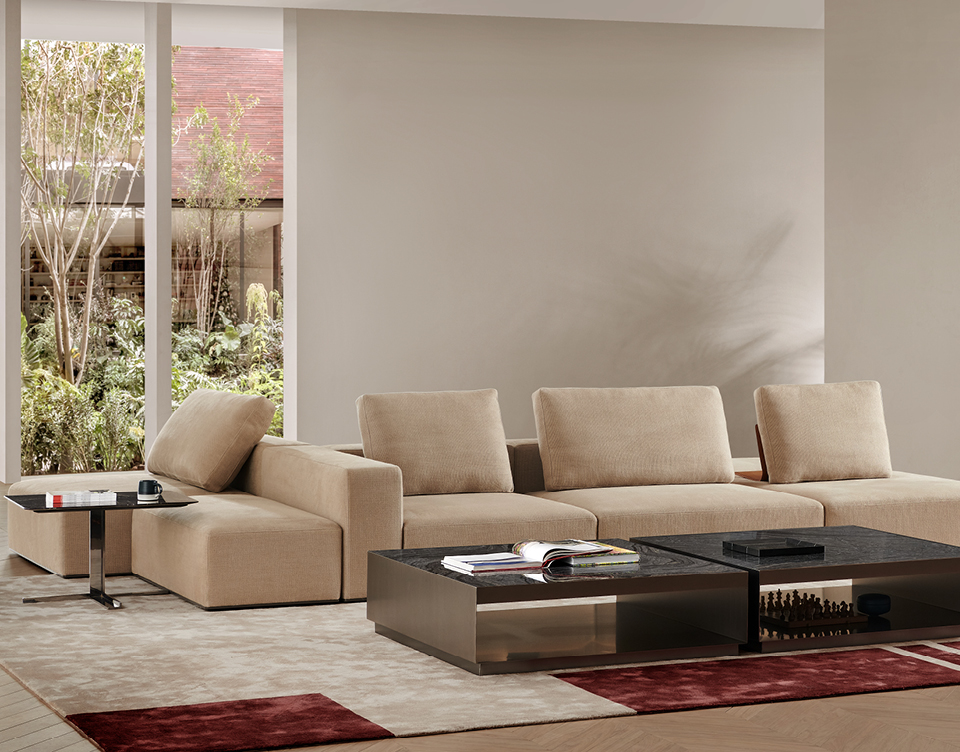
At Kado Home, we understand that a beautiful home or commercial office is more than just its furnishings. It's about the experiences it creates. From relaxing on a thoughtfully designed sofa after a long day to enjoying the focus of a perfectly curated study space, our designs help make every moment in life more meaningful. Whether it’s for a family gathering or a quiet night in, our products transform spaces into reflections of warmth, comfort, and style.
We continually strive to innovate and adapt to changing design trends, while staying true to our founding principles of quality craftsmanship, affordability, and functionality. Our mission is simple but profound: to bring beautiful, functional, and inspiring spaces to more lives around the world.
Behind the numbers are our dedicated teams—comprised of hundreds of experts in R&D, design, manufacturing, and after-sales service—who work tirelessly to bring innovative designs to life. We take pride in each piece of furniture we craft, which is not just a product but a work of art that elevates the quality of life for our customers.
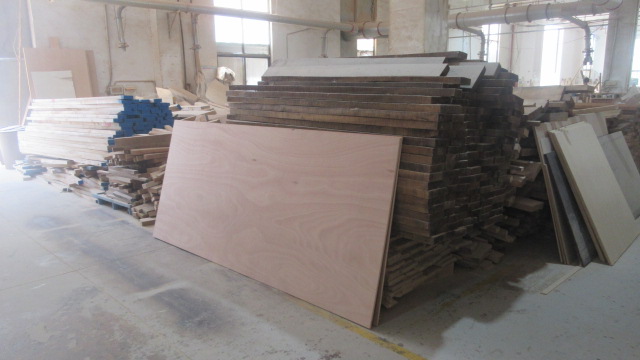
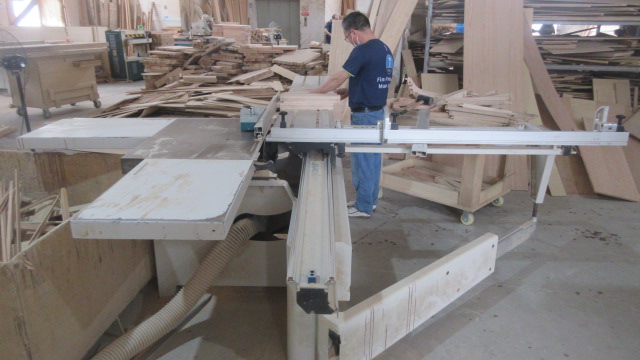
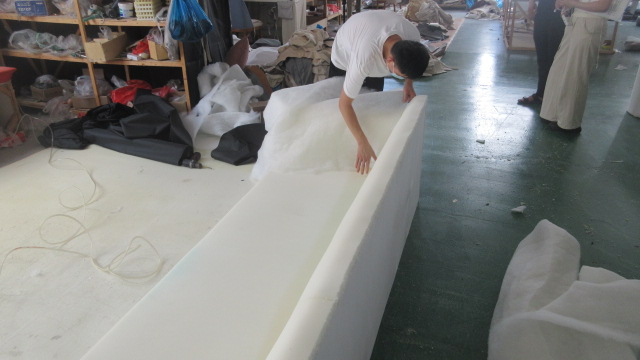
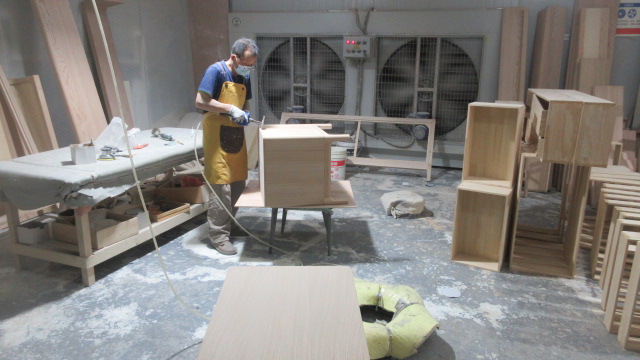
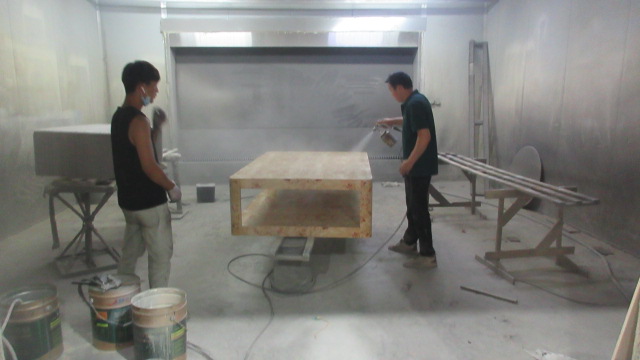
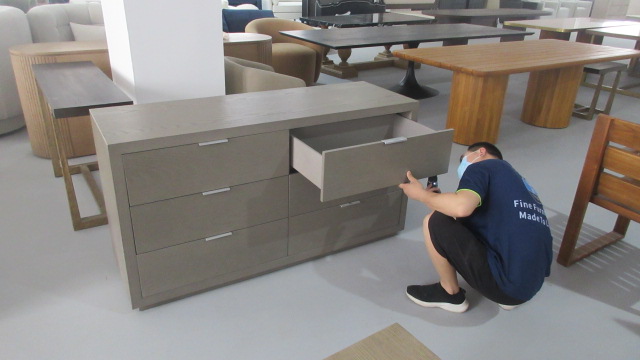
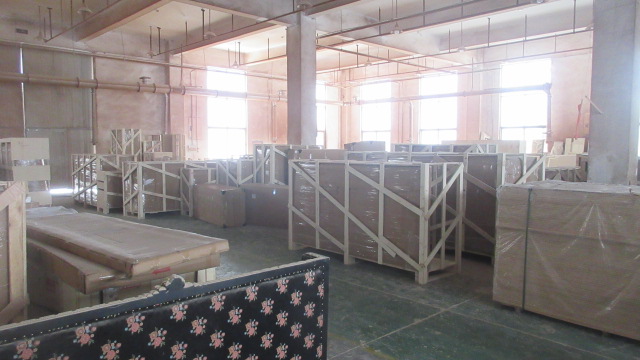
A look at Kado Home's vertical production workflow, showing the steps from raw materials to finished products.
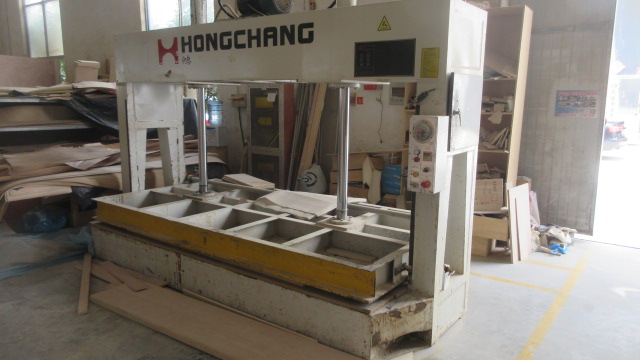
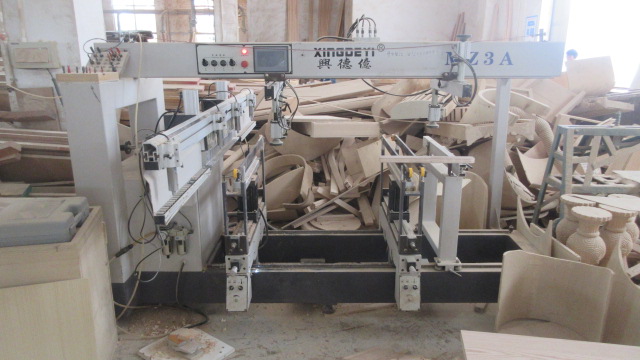
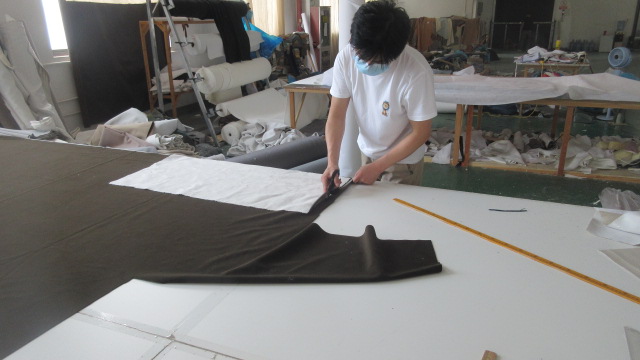
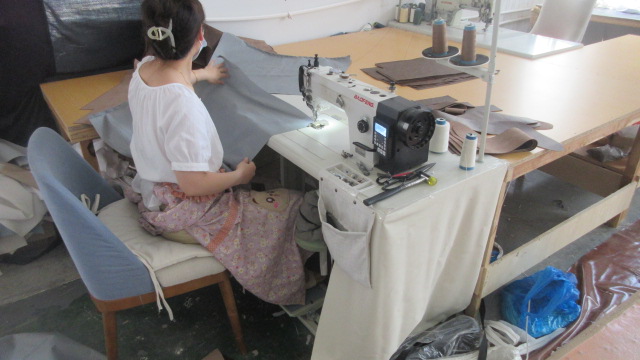
Procuring furniture requires aligning products with the specific requirements of localized target regions. Writing desks and coordinating seating systems must comply with distinct regulatory, ergonomic, and aesthetic frameworks depending on the destination market:
In North America, commercial office spaces are governed by rigid health, safety, and accessibility codes. Writing desks and seating must comply with BIFMA safety testing standards and meet ASTM flame-retardant standards (such as CAL 117-2013 for cushioned parts). Buyers prioritize high-durability surfaces, extensive cable management pathways, and modular task furniture that fits into modern corporate office layouts.
European procurement requirements focus on environmental impact and human ergonomics (EN 527 standards for office desks, EN 1335 for office work chairs). Materials must meet strict formaldehyde emission limits, with a preference for FSC-certified wood and recyclable steel. Aesthetic preferences lean toward minimalist, biophilic designs, incorporating natural finishes and matte textures.
High-density urban business hubs in the Asia-Pacific region demand high spatial efficiency. Writing desks in this market must maximize minimal footprints, using modular configurations and sliding components. Coordinated seating must offer versatility, serving both as quiet workspace seats and collaborative breakout furniture. Sourcing managers focus on high-efficiency logistics and suppliers capable of providing flexible configurations to meet varying spatial challenges.
Answers to common industry questions regarding furniture procurement, standards, and logistics management.
Explore our premium selection of ergonomic seating and modern modular lounges, designed to complement commercial study desks.